

The Iatrogenic Catastrophe: Ovarian Hyperstimulation Syndrome
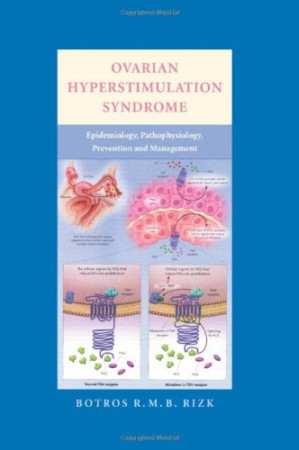
In Vitro Fertilization (IVF) requires the artificial bombardment of the ovaries with massive doses of synthetic hormones. When this protocol spirals out of control, the ovaries become massive, fragile cysts that leak liters of fluid into the patient’s abdomen, causing catastrophic kidney failure, massive blood clots, and potential death. Ovarian Hyperstimulation Syndrome: Epidemiology, Pathophysiology, Prevention and Management is the fiercely pharmacological, highly intensive master text detailing this terrifying iatrogenic disease. This volume provides the exact medical blueprints required to pull a patient back from the brink of multi-organ failure.
Mastering the Vascular Permeability
The core philosophy of this text is the immediate correction of fluid shifts. The authors aggressively detail the mechanics of VEGF (Vascular Endothelial Growth Factor). It dictates exactly how the hyperstimulated ovaries release massive amounts of this protein, mathematically proving how it destroys the integrity of the maternal blood vessels, causing third-spacing of fluid (ascites) while simultaneously leaving the bloodstream dangerously concentrated (hemoconcentration).
Navigating the Critical Care
The book provides a masterclass in ICU-level management. It dictates the exact clinical pathways for stabilizing the OHSS patient. It rigorously explores the precise protocols for performing paracentesis (draining fluid from the abdomen with a needle) to relieve the pressure crushing the patient’s diaphragm, while mathematically calculating the use of IV albumin and aggressive anticoagulation to prevent a lethal pulmonary embolism.
Frequently Asked Questions (FAQs)
Is this a patient guide on how to get pregnant naturally?
Absolutely not. It is a strictly specialized *reproductive endocrinology and critical care textbook* focused entirely on the most dangerous, life-threatening complication of fertility treatments.
Who is the primary audience?
It is the absolute, mandatory emergency reference for Reproductive Endocrinologists (REI), IVF Nurses, Gynecologists, and Critical Care Physicians.