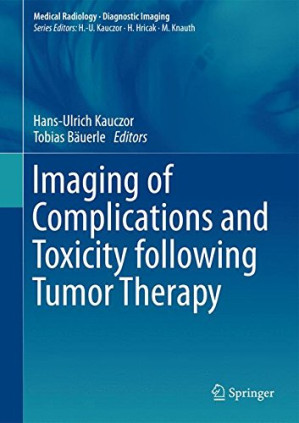


The Collateral Damage: Imaging of Complications and Toxicity following Tumor Therapy
Curing cancer often requires destroying the patient’s body in the process. The massive doses of radiation and chemotherapy required to kill a tumor frequently cause catastrophic, delayed damage to the healthy organs surrounding it. A radiologist must be able to distinguish between a returning cancer and the radioactive scar tissue left behind by the cure. Imaging of Complications and Toxicity following Tumor Therapy is a fiercely advanced, highly specialized radiological manual detailing exactly how to map this iatrogenic destruction. This volume provides the precise imaging blueprints required to diagnose the devastating side effects of modern oncology.
Mastering Radiation Necrosis
The core philosophy of this text is differentiating death from recurrence. The authors aggressively detail the mechanics of the post-radiation MRI. It dictates exactly how a radiologist must evaluate a massive, swelling lesion in the brain of a patient who previously received stereotactic radiosurgery, proving mathematically whether the mass is an explosive new glioblastoma, or simply a massive sphere of dead, irradiated brain tissue (necrosis) that mimics a tumor on the scan.
Navigating Chemotherapy-Induced Cardiotoxicity
The book provides a masterclass in systemic damage assessment. It dictates the exact diagnostic pathways for evaluating the failing heart. It rigorously explores how to use advanced echocardiography and cardiac MRI to physically measure the destruction of the patient’s left ventricle caused by Doxorubicin, allowing the oncologist to instantly stop the chemotherapy before the patient goes into lethal, irreversible heart failure.
Frequently Asked Questions (FAQs)
Is this a book about how to administer chemotherapy?
No, its absolute, exclusive focus is on the *diagnostic radiology, medical physics, and pathological imaging* of the damage caused by the cancer treatments themselves.
Who is the primary audience?
It is the absolute, mandatory definitive reference for Diagnostic Radiologists, Radiation Oncologists, Medical Oncologists, and Medical Physicists.