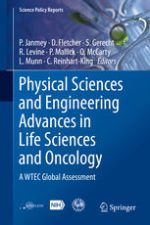

The Global Convergence: Assessment of Physical Sciences and Engineering Advances in Life Sciences and Oncology
Oncology is no longer the exclusive domain of the biologist; the future of cancer treatment is being built by physicists and engineers. The United States cannot afford to fight this war in isolation while revolutionary technologies are being forged in laboratories across Europe and Asia. Assessment of Physical Sciences and Engineering Advances in Life Sciences and Oncology in Europe and Asia is a fiercely analytical, highly strategic intelligence report detailing exactly how global engineering is reshaping medicine. This volume provides the precise technological blueprints required to understand the international arms race against cancer.
Mastering the Convergence Paradigm
The core philosophy of this text is the obliteration of scientific silos. The authors aggressively detail the mechanics of multidisciplinary integration. It dictates exactly how quantum physicists in Germany and nanotechnology engineers in Japan are directly collaborating with oncologists to build microscopic, targeted drug delivery systems and advanced proton-beam accelerators that make standard American chemotherapy look archaic.
Navigating the International Disruption
The book provides a masterclass in global scientific intelligence. It dictates the exact technological pathways where international labs are pulling ahead. It rigorously explores massive, state-sponsored engineering projects—from massive datasets utilizing European AI for predictive modeling to Asian bio-manufacturing of advanced CAR-T cells—providing a stark roadmap of where the next generation of cancer cures will actually originate.
Frequently Asked Questions (FAQs)
Is this a clinical manual detailing how to dose chemotherapy?
Absolutely not. It is a strictly specialized *science policy, biomedical engineering, and global intelligence report* analyzing international technological infrastructure.
Who is the primary audience?
It is the absolute, mandatory read for Biomedical Engineers, Science Policymakers, Translational Researchers, and Oncology Industry Executives.