
The Pediatric Diagnostic Matrix: Pediatric Orthopedics: Symptoms, Differential Diagnosis
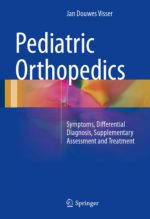
When a four-year-old child presents with a limp, they cannot reliably articulate the location or nature of their pain. The clinician must rely entirely on objective physical signs, subtle radiographic clues, and a rigorously structured diagnostic algorithm to differentiate a benign transient synovitis from a rapidly destroying septic hip. Pediatric Orthopedics: Symptoms, Differential Diagnosis, Supplementary Assessment and Treatment is a fiercely analytical, symptom-driven manual designed precisely for this challenge. This volume provides the exact blueprints required to navigate the ambiguity of the pediatric musculoskeletal examination.
Mastering Symptom-Based Algorithms
The core philosophy of this text is working backward from the presenting complaint. The authors aggressively detail the differential diagnosis for the limping child, the painful limb, and the deformed spine. It dictates exactly how to use the patient’s exact age (e.g., toddler vs. adolescent) to instantly narrow the statistical probability of a diagnosis, such as differentiating Legg-Calvé-Perthes disease (ages 4-8) from Slipped Capital Femoral Epiphysis (ages 10-14).
Navigating Assessment and Intervention
The book provides a masterclass in targeted testing. It dictates the exact clinical pathways for ordering supplementary assessments, detailing precisely when an ultrasound is superior to an x-ray (e.g., detecting a joint effusion in a suspected septic hip). It rigorously outlines the initial treatment protocols, separating conditions that require immediate surgical referral from those that simply require observation and parental reassurance.
Frequently Asked Questions (FAQs)
Is this a surgical atlas?
No, it is a *diagnostic* manual. It focuses on how to figure out what is wrong, rather than the specific steps of how to operate on it.
Who is the primary audience?
It is the absolute, mandatory rapid-reference for Pediatricians, Family Medicine Physicians, Emergency Room Doctors, and Junior Orthopedic Residents.