

The Clinical Detective: Orthopedic and Trauma Findings
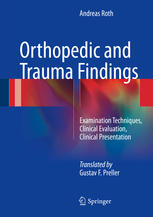
An orthopedic diagnosis is rarely made in isolation. It requires the seamless integration of patient history, highly specific provocative testing, and complex radiological interpretation. A surgeon must know what a torn ligament *feels* like on exam and what it *looks* like on an MRI. Orthopedic and Trauma Findings: Examination Techniques, Clinical Evaluation, Clinical Presentation is a fiercely comprehensive, multimodal diagnostic manual designed to forge this exact synthesis. This volume provides the exact blueprints required to become a masterful clinical detective.
Mastering the Multimodal Exam
The core philosophy of this text is diagnostic triangulation. The authors aggressively detail the physical examination of every joint, but crucially, they immediately correlate those physical findings with the corresponding imaging. It dictates exactly how a positive Lachman test for an ACL tear correlates with the “empty notch” sign on an MRI and the Segond fracture on a plain radiograph.
Navigating Trauma Presentations
The book provides a masterclass in acute trauma evaluation. It dictates the exact clinical pathways for assessing compartment syndrome, detailing the critical physical signs (pain out of proportion, pain on passive stretch) and the techniques for measuring intra-compartmental pressure. It rigorously details the neurological assessment required after a high-energy pelvic fracture or spinal trauma.
Frequently Asked Questions (FAQs)
Is this purely a radiology book?
No, it is a *clinical* book. It fuses the physical examination with the radiology, demonstrating how the two disciplines must work together to confirm a diagnosis.
Who is the primary audience?
It is the absolute, mandatory diagnostic reference for Orthopedic Residents, Emergency Room Physicians, and Musculoskeletal Radiologists.