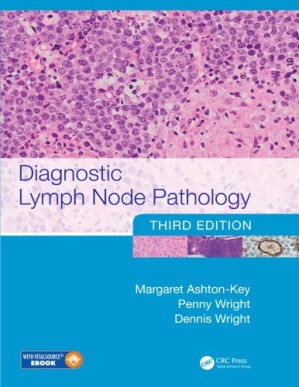
The Hematopathology Standard: Diagnostic Lymph Node Pathology (3rd Edition)
An enlarged lymph node is a high-stakes diagnostic puzzle. The pathologist must rapidly distinguish between a florid, benign reactive hyperplasia (like a severe viral infection) and a highly lethal, rapidly disseminating malignant lymphoma. Diagnostic Lymph Node Pathology (3rd Edition) is globally recognized as the definitive, fiercely practical bench-side manual for solving this puzzle. This updated volume provides the exact blueprints required to confidently navigate the increasingly complex WHO classification of lymphoid neoplasms.
Mastering Architectural Effacement
The core philosophy of this text is pattern recognition starting at low magnification. The authors aggressively detail how to evaluate the overall architecture of the lymph node, dictating exactly how to recognize when the normal follicular and sinusoidal patterns have been obliterated (effaced) by a malignant infiltrate. It provides the crucial visual algorithms for distinguishing a benign reactive follicle from the chaotic, monotonous proliferation of follicular lymphoma.
Navigating IHC, Flow Cytometry, and Molecular Genetics
The book provides a masterclass in modern multimodal diagnostics. It dictates the exact clinical pathways for utilizing specific immunohistochemical (IHC) panels to phenotype the invading cells (e.g., using CD5 and Cyclin D1 to identify mantle cell lymphoma). It provides exhaustive guidelines on integrating flow cytometry and molecular genetics (like PCR for IgH gene rearrangements) to definitively prove a lymphoid proliferation is clonal (malignant) rather than polyclonal (reactive).
Frequently Asked Questions (FAQs)
Does this edition include the latest WHO updates?
Yes, this 3rd Edition is heavily revised to fully integrate the sweeping changes in the latest WHO Classification of Tumors of Hematopoietic and Lymphoid Tissues.
Who is the primary audience?
It is the absolute, mandatory daily reference for Hematopathologists, General Surgical Pathologists, Pathology Residents, and Hematology/Oncology Fellows.