The Gut’s Microbial War: Mechanisms in the Pathogenesis of Enteric Diseases
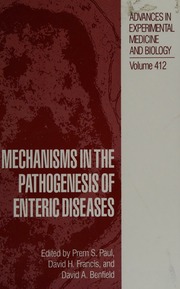
The human gastrointestinal tract is a massive, highly vulnerable mucosal surface in constant contact with trillions of microbes. While most are beneficial, pathogenic bacteria, viruses, and parasites have evolved brilliant, devastating molecular strategies to breach this barrier, resulting in severe diarrheal diseases that kill millions globally. Mechanisms in the Pathogenesis of Enteric Diseases is the definitive, fiercely advanced biochemical text detailing this microscopic warfare. This volume provides the exact blueprints required by microbiologists and infectious disease researchers to understand how pathogens attach, invade, and destroy the intestinal epithelium.
Mastering Adherence and Toxin Delivery
The core philosophy of this text is molecular pathogenesis. The authors aggressively detail the specific virulence factors employed by enteric pathogens. It dictates exactly how *Vibrio cholerae* utilizes the toxin-coregulated pilus (TCP) to adhere to the mucosa before deploying cholera toxin. It provides the crucial biophysical framework for understanding the Type III Secretion Systems (the “molecular syringes”) used by *Salmonella* and *Shigella* to inject effector proteins directly into host cells, hijacking their actin cytoskeleton to force cellular invasion.
Navigating the Host Immune Response and Microbiome
The book provides a masterclass in host-pathogen interactions. It dictates the exact clinical pathways for understanding how the gut-associated lymphoid tissue (GALT) attempts to fight off these invaders, detailing the complex interplay of IgA, macrophages, and intraepithelial lymphocytes. It provides exhaustive reviews of how the normal, healthy microbiome protects against colonization, and how antibiotics disrupt this balance, opening the door for *Clostridioides difficile*.
Frequently Asked Questions (FAQs)
Does this book cover viral gastroenteritis?
Yes, it features critical sections on the molecular mechanisms of Rotavirus and Norovirus, detailing exactly how they blunt the intestinal villi and cause profound osmotic diarrhea.
Who is the primary audience?
It is the absolute, mandatory reference for Molecular Microbiologists, Infectious Disease Researchers, Immunologists, and Epidemiologists.