The Cellular Balance: Molecular Mechanisms of Body Water Homeostasis
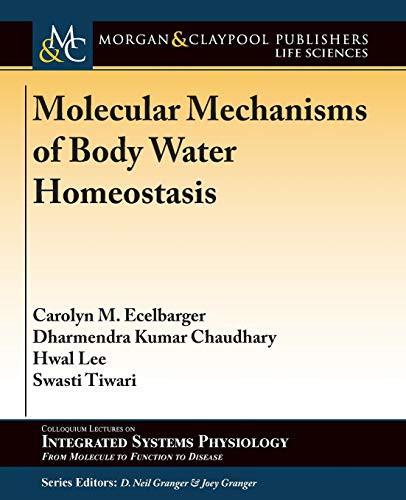
The human body is mostly water, and maintaining the precise volume and osmolality of that water is the most fundamental requirement for cellular survival. Even minor disruptions in this delicate balance lead to catastrophic swelling of the brain or profound systemic dehydration. Molecular Mechanisms of Body Water Homeostasis is the definitive, fiercely advanced biophysical text detailing exactly how the body regulates its most vital resource. This volume provides the exact blueprints required by nephrologists and physiologists to understand the molecular machinery governing thirst, kidney function, and water transport.
Mastering the Aquaporin Channels
The core philosophy of this text is molecular transport. The authors aggressively detail the discovery and function of Aquaporins (AQPs)—the specialized protein channels that allow water to rapidly cross cell membranes. It dictates exactly how vasopressin (Antidiuretic Hormone) binds to receptors in the kidney, triggering the insertion of AQP2 channels into the collecting duct to frantically reabsorb water and prevent fatal dehydration.
Navigating Diabetes Insipidus and Hyponatremia
The book provides a masterclass in water dysregulation. It dictates the exact clinical pathways for understanding Central versus Nephrogenic Diabetes Insipidus, detailing the specific genetic mutations in the vasopressin receptor or the aquaporin channel that render the kidney incapable of concentrating urine. It provides exhaustive biophysical explanations for the danger of hyponatremia (low blood sodium), explaining exactly how a drop in extracellular osmolality forces water *into* brain cells, causing lethal cerebral edema.
Frequently Asked Questions (FAQs)
Is this a clinical treatment manual for nephrologists?
No, this is a foundational *scientific* text explaining the underlying mechanisms; it provides the deep scientific “why” behind the clinical treatments used for fluid/electrolyte disorders.
Who is the primary audience?
It is the absolute, mandatory reference for Renal Physiologists, Academic Nephrologists, Cell Biologists, and Researchers in Membrane Transport.