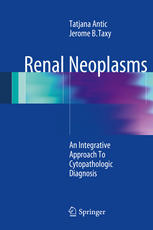


Decoding Kidney Masses: Renal Neoplasms: An Integrative Approach To Cytopathologic Diagnosis
The incidental discovery of a small renal mass on a CT scan presents a significant clinical dilemma: is it a benign oncocytoma requiring no intervention, or an aggressive clear cell renal cell carcinoma necessitating a nephrectomy? Fine-needle aspiration (FNA) offers a minimally invasive answer, but interpreting these scant cellular samples is notoriously difficult. Renal Neoplasms: An Integrative Approach To Cytopathologic Diagnosis is the definitive, fiercely specialized manual bridging cytopathology with urologic oncology. This volume provides the exact blueprints required to confidently classify renal tumors based on minute cellular aspirates, avoiding unnecessary surgery for benign lesions.
Mastering Morphological Subtyping
The core philosophy of this text is pattern recognition enhanced by ancillary testing. The authors aggressively detail the cytological criteria for the myriad subtypes of renal cell carcinoma (RCC). It dictates exactly how to differentiate clear cell RCC from chromophobe RCC and the benign oncocytoma, utilizing high-resolution photomicrographs to highlight the subtle differences in cytoplasmic vacuolization and nuclear contour (e.g., the “raisinoid” nuclei of chromophobe RCC).
Navigating Immunohistochemistry and Molecular Genetics
The book provides a masterclass in maximizing limited tissue. It dictates the exact clinical pathways for strategically deploying immunohistochemical (IHC) panels (such as PAX8, CAIX, and CD117) on cell blocks to solidify a diagnosis when morphology is ambiguous. It provides exhaustive guidelines on integrating FISH and cytogenetics, detailing the specific chromosomal deletions (like 3p in clear cell RCC) required for definitive subclassification.
Frequently Asked Questions (FAQs)
Does this book address pediatric renal tumors?
Yes, it features critical sections on diagnosing Wilms tumor (nephroblastoma) and other pediatric renal malignancies via aspiration cytology, emphasizing the unique blastemal and stromal components.
Who is the primary audience?
It is the absolute, mandatory diagnostic reference for Cytopathologists, Urologic Pathologists, Urologic Oncologists, and Pathology Fellows.