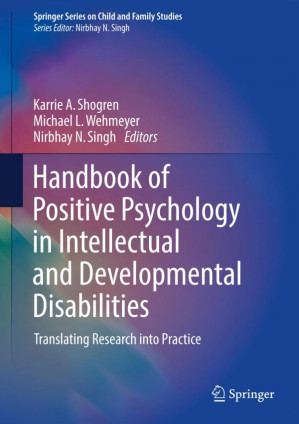
Strengths-Based Care: Handbook of Positive Psychology in Intellectual and Developmental Disabilities
Historically, the medical and psychological care of individuals with intellectual and developmental disabilities (IDD) has been heavily focused on deficits—managing maladaptive behaviors, treating comorbidities, and mitigating limitations. While necessary, this pathology-driven approach often ignores the individual’s capacity for joy, resilience, and personal growth. Handbook of Positive Psychology in Intellectual and Developmental Disabilities is the definitive, fiercely optimistic text that shifts the paradigm from “fixing deficits” to “building strengths.” This volume provides the exact blueprints required to apply the principles of positive psychology to drastically improve the quality of life for the IDD population.
Mastering Strengths Assessment and Well-Being
The core philosophy of this text is human flourishing regardless of cognitive baseline. The authors aggressively detail the validated assessment tools used to identify character strengths, optimism, and self-determination in individuals who may have limited verbal communication. It dictates exactly how to shift therapeutic goals from simple behavioral compliance to fostering genuine engagement, meaning, and positive relationships within the community.
Navigating Interventions for Resilience and Happiness
The book provides a masterclass in applied positive interventions. It dictates the exact clinical pathways for implementing mindfulness-based practices, gratitude exercises, and strength-based behavioral supports specifically adapted for varying levels of cognitive impairment. It provides exhaustive reviews of the systemic changes required in group homes and supported employment environments to foster an atmosphere that promotes autonomy and well-being rather than just safety.
Frequently Asked Questions (FAQs)
Does this approach ignore severe behavioral challenges?
No, it integrates positive psychology with traditional Applied Behavior Analysis (ABA), arguing that building up an individual’s strengths and happiness is often the most effective way to reduce severe maladaptive behaviors.
Who is the primary audience?
It is the absolute, mandatory textbook for Clinical Psychologists, Special Educators, BCBAs (Board Certified Behavior Analysts), and Social Workers supporting the IDD community.