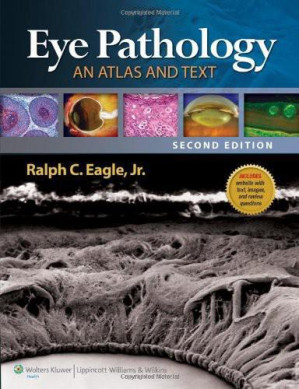

Visualizing Ocular Disease: Eye Pathology: An Atlas and Text (2nd Edition)
Ophthalmic pathology is a highly specialized niche; the eye contains unique tissues (retina, uvea, cornea) not found anywhere else in the body, and its diseases range from sight-threatening inflammations to lethal intraocular malignancies. General pathologists rarely encounter these specimens, making accurate diagnosis a significant challenge. Eye Pathology: An Atlas and Text (2nd Edition) is the definitive, fiercely specialized manual bridging ophthalmology and pathology. This volume provides the exact blueprints required to correlate clinical ophthalmic findings with macroscopic and microscopic tissue pathology.
Mastering Intraocular Neoplasia and Inflammation
The core philosophy of this text is clinico-pathological correlation. The authors aggressively detail the morphological features of ocular disease, dictating exactly how to interpret enucleation specimens and corneal biopsies. It provides the crucial diagnostic criteria for identifying retinoblastoma in pediatric patients and uveal melanoma in adults, emphasizing the prognostic significance of specific cytological features (e.g., Callender classification).
Navigating Glaucoma, Cataracts, and Retinal Disease
The book provides a masterclass in the pathology of blindness. It dictates the exact anatomical disruptions underlying open-angle and closed-angle glaucoma, detailing the specific changes to the trabecular meshwork and optic nerve head. It provides exhaustive visual examples of diabetic retinopathy, age-related macular degeneration (AMD), and the pathological changes associated with corneal dystrophies and severe ocular trauma.
Frequently Asked Questions (FAQs)
Does this book include macroscopic (gross) pathology?
Yes, it features stunning, high-resolution macroscopic photographs of sectioned globes, perfectly paired with their corresponding histological slides to provide a complete picture of the disease.
Who is the primary audience?
It is the absolute, mandatory reference for Ophthalmic Pathologists, General Surgical Pathologists, Ophthalmology Residents, and Optometrists.