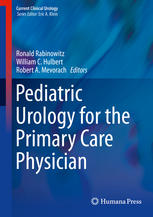



Genitourinary Excellence: Pediatric Urology
The surgical management of the pediatric genitourinary tract is an endeavor of profound consequence. A poorly executed hypospadias repair or a botched ureteral reimplantation can condemn a child to a lifetime of incontinence, renal failure, or sexual dysfunction. Pediatric Urology is the definitive, fiercely detailed masterwork dedicated to this high-stakes specialty. This volume provides the exact, rigorous surgical protocols and clinical algorithms required by specialists to correct complex congenital anomalies and preserve long-term genitourinary function.
Mastering the Surgical Management of Congenital Urologic Anomalies
The core philosophy of this text is that surgical success relies on absolute anatomical mastery and precise patient selection. The authors aggressively detail the embryology that dictates congenital defects. They dictate exactly how to evaluate and medically manage conditions like antenatal hydronephrosis, establishing strict criteria for when conservative observation must end and surgical intervention must begin to save the developing kidney.
Navigating Hypospadias, Undescended Testes, and Vesicoureteral Reflux
The book provides a masterclass in the core procedures of the specialty. It dictates the exact, step-by-step operative techniques for the most common surgeries. It provides exhaustive, highly illustrated guides to hypospadias repair (detailing various urethroplasty techniques), the surgical approach to cryptorchidism (orchiopexy), and the nuanced indications for both endoscopic and open surgical correction of severe vesicoureteral reflux (VUR).
Managing Complex Reconstructions and Minimally Invasive Techniques
This is a fiercely practical guide to the most challenging reconstructive frontiers. The authors provide rigid protocols for tackling incredibly complex, multi-stage repairs, such as the management of the bladder exstrophy-epispadias complex and disorders of sexual development (DSD). The text dictates exactly how to integrate modern minimally invasive and robotic-assisted techniques (e.g., robotic pyeloplasty) to achieve excellent outcomes with reduced morbidity.
Integrating Urodynamics with Long-Term Functional Preservation
The final value of this reference is its commitment to longitudinal care. The text dictates that anatomical correction is insufficient if functional outcomes are ignored. It ensures that the surgeon understands the critical role of complex urodynamic studies in managing neurogenic bladders (e.g., in spina bifida patients), providing the medical and surgical strategies required to achieve continence and protect the upper urinary tract.
Frequently Asked Questions (FAQs)
Does this textbook cover pediatric urologic oncology?
Yes, it features critical, highly detailed chapters specifically dedicated to the diagnosis and surgical management of Wilms tumor, rhabdomyosarcoma of the genitourinary tract, and testicular tumors in children.
Are there specific guidelines for managing pediatric urologic trauma?
Absolutely. It provides explicit protocols for assessing and repairing traumatic injuries to the kidney, bladder, and urethra, often prioritizing organ preservation whenever surgically feasible.
Who is the primary audience?
It is the absolute, mandatory masterwork for Pediatric Urologists, Urology Residents, and Pediatric Surgery Fellows.
Conclusion
Pediatric Urology proves that restoring the form and function of a child’s genitourinary system requires unparalleled surgical artistry and anatomical precision. It is the indispensable bedrock of the specialty. By mastering the operative techniques, the reconstructive algorithms, and the urodynamic principles detailed in this monumental volume, surgeons can profoundly protect a child’s health and quality of life.