
Navigating the Noise: Understanding Controversial Therapies for Children with Autism, ADD, and Learning Disabilities
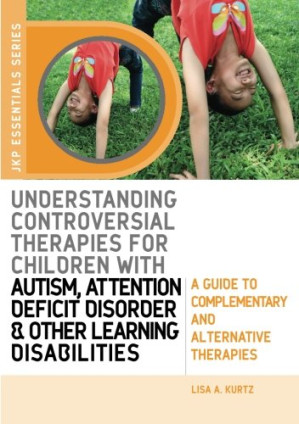
When a child is diagnosed with a neurodevelopmental disorder like Autism Spectrum Disorder (ASD) or ADHD, parents are immediately plunged into a desperate search for answers. This desperation makes them highly vulnerable to an unregulated marketplace pushing “miracle cures” and unproven, sometimes dangerous, alternative therapies. Understanding Controversial Therapies for Children with Autism, ADD, and Learning Disabilities is the definitive, fiercely objective guide designed to cut through this noise. This volume provides the exact, scientifically rigorous analysis required by clinicians and educators to guide parents away from pseudoscience and toward evidence-based care.
Mastering the Science vs. Pseudoscience Divide
The core philosophy of this text is relentless scientific scrutiny. The authors aggressively dismantle the claims made by proponents of fringe therapies. They dictate exactly how to evaluate medical literature, teaching professionals and parents how to distinguish between robust, peer-reviewed clinical trials and anecdotal evidence or flawed studies designed to sell a product.
Navigating Alternative Diets, Supplements, and Chelation
The book provides a masterclass in evaluating specific interventions. It dictates the exact evidence (or lack thereof) regarding gluten-free/casein-free (GFCF) diets, mega-vitamin therapy, and secretin injections. It provides exhaustive, uncompromising warnings regarding dangerous procedures like chelation therapy or hyperbaric oxygen therapy for autism, detailing the profound medical risks involved.
Managing Parental Expectations and Medical Advice
This is a fiercely compassionate guide to clinical communication. The authors recognize that telling a parent a therapy “doesn’t work” is often insufficient. The text dictates exactly how clinicians should engage in open, non-judgmental dialogue with families, validating their desperation while gently but firmly guiding them away from interventions that waste time, money, and potentially harm the child.
Integrating Evidence-Based Practice with Compassionate Care
The final value of this reference is its clear redirection toward what *does* work. The text dictates that rejecting pseudoscience is only half the battle. It ensures that professionals are equipped to clearly articulate the benefits of proven, evidence-based interventions—such as Applied Behavior Analysis (ABA) for autism or stimulant medication combined with behavioral therapy for ADHD.
Frequently Asked Questions (FAQs)
Does this book address sensory integration therapies?
Yes, it features critical sections analyzing interventions like weighted blankets, sensory diets, and auditory integration training, dictating what the current evidence actually supports regarding their efficacy.
Are there specific guidelines for evaluating new, emerging therapies?
Absolutely. It provides explicit frameworks that parents and clinicians can use to independently evaluate any new “breakthrough” therapy that emerges in the future, ensuring lasting critical thinking skills.
Who is the primary audience?
It is the absolute, mandatory resource for Pediatricians, Child Psychiatrists, Special Education Teachers, Speech-Language Pathologists, and informed Parents.
Conclusion
Understanding Controversial Therapies proves that protecting vulnerable children requires both scientific rigor and profound empathy. It is the indispensable bedrock of evidence-based advocacy. By mastering the scientific analysis, the communication strategies, and the commitment to proven therapies detailed in this vital volume, professionals can ensure that children receive treatments that actually help, rather than exploit, their condition.