
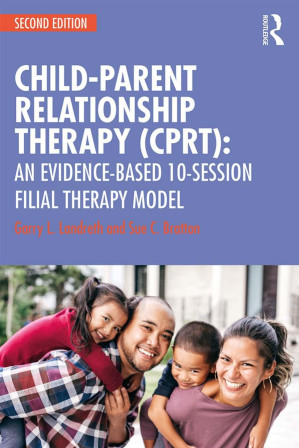

Strengthening Bonds: Child Parent Relationship Therapy
Traditional talk therapy is frequently ineffective for young children, and standard behavioral interventions often fail to address the underlying relational disconnects that drive problematic behavior. When the parent-child bond is fractured by trauma, stress, or developmental challenges, a specialized, relationally driven approach is required. Child Parent Relationship Therapy (CPRT) is the definitive, fiercely structured clinical manual designed to heal this critical dyad. This volume provides the exact blueprints required by mental health professionals to train parents to act as therapeutic agents for their own children, utilizing the powerful medium of non-directive play.
Mastering the Principles of CPRT
The core philosophy of this text is that the parent is the most important person in the child’s life, and equipping them with therapeutic skills yields the most durable results. The authors aggressively detail the 10-session CPRT model, dictating exactly how to teach parents the core skills of Child-Centered Play Therapy (CCPT): tracking behavior, reflecting feelings, returning responsibility, and setting therapeutic limits.
Navigating Behavioral Issues Through Play Therapy
The book provides a masterclass in translating play into psychological healing. It dictates the exact clinical pathways for helping parents understand their child’s symbolic play, teaching them to read the emotional subtext behind acting out, aggression, or withdrawal. It provides exhaustive instructions on conducting weekly, 30-minute special play sessions that create a safe, permissive environment for the child to process emotional turmoil.
Managing Parent-Child Conflicts and Rebuilding Trust
This is a fiercely practical guide to transforming family dynamics. The authors provide rigid frameworks for addressing parental frustration and burnout. The text dictates specific protocols for helping parents shift from a mindset of controlling behavior to one of understanding and connection, drastically reducing power struggles and fostering profound mutual empathy.
Integrating CPRT into Clinical Practice
The final value of this reference is its comprehensive structure for the clinician. The text provides the exact session-by-session outlines, complete with handouts, teaching objectives, and troubleshooting guides for running CPRT groups or individual family sessions. It dictates how to supervise parents effectively, providing constructive feedback as they learn to master the play therapy skills.
Frequently Asked Questions (FAQs)
Does this book address children with ADHD or Autism?
Yes, it features critical sections on adapting CPRT principles for children with neurodevelopmental differences, focusing on enhancing connection and emotional regulation.
Are there specific guidelines for adoptive or foster parents?
Absolutely. It provides explicit protocols for utilizing CPRT to build secure attachments and address the unique relational trauma often present in foster and adoptive families.
Who is the primary audience?
It is the absolute, mandatory clinical manual for Play Therapists, Family Counselors, Social Workers, and Psychologists specializing in pediatric populations.
Conclusion
Child Parent Relationship Therapy proves that healing a child requires healing the relationship they have with their primary caregivers. It is the indispensable bedrock of family-systems intervention. By mastering the 10-session structure, the specific play therapy skills, and the parental supervision techniques detailed in this essential volume, clinicians can empower parents to become the primary healers in their children’s lives.


