

Amplifying the Patient Voice: Learning from Paediatric Patient Journeys
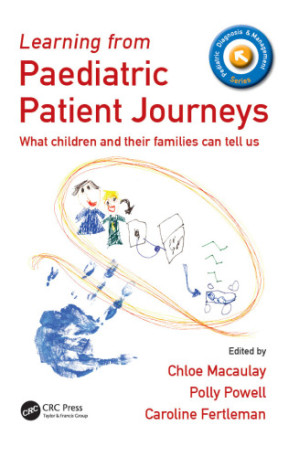
Modern pediatric medicine often focuses so intensely on clinical outcomes and biomarkers that the actual lived experience of the child and family is marginalized. Learning from Paediatric Patient Journeys: What Children and Their Families Can Tell Us is a groundbreaking, fiercely humanistic textbook that forces healthcare systems to confront the reality of their care delivery. This volume provides the exact, qualitative blueprints required to utilize patient narratives to fundamentally redesign pediatric services.
Mastering Qualitative Insights in Pediatric Healthcare
The core philosophy of this text is that the patient’s story is rigorous, actionable data. The authors aggressively deconstruct the concept of “patient journey mapping.” They detail exactly how to capture the unfiltered experiences of children navigating chronic illness, complex surgeries, and long-term rehabilitation, moving beyond sterile patient satisfaction surveys to uncover the deep structural flaws in care delivery.
Navigating the Lived Experience of Chronic Illness
The book provides a masterclass in the psychosocial reality of pediatric disease. It dictates the exact friction points families encounter: the trauma of diagnosis, the burden of care coordination across fragmented specialties, and the profound isolation of chronic illness. It provides exhaustive details on how poorly designed hospital environments and insensitive communication protocols exacerbate the suffering of the child.
Managing Healthcare Delivery Through Patient-Centered Redesign
This is a fiercely practical guide to systemic change. The authors provide rigid frameworks for translating these qualitative narratives into concrete policy adjustments. The text dictates exactly how hospital administrators and clinical leaders can utilize this feedback to streamline admission processes, redesign outpatient clinics for better flow, and implement robust psychological support systems that actually meet family needs.
Integrating Family Narratives into Clinical Practice
The final value of this reference is its impact on the individual clinician. The text provides the exact strategies for doctors and nurses to practice deeper empathy and active listening. It dictates how to integrate the child’s perspective into shared decision-making, ensuring that clinical interventions align with the family’s values, capacities, and definitions of a “good quality of life.”
Frequently Asked Questions (FAQs)
Does this book provide specific methodologies for collecting these stories?
Yes, it details robust qualitative research methods, including semi-structured interviews, focus groups, and observational techniques tailored specifically for children and adolescents.
Is the focus solely on the negative aspects of care?
No, it equally highlights moments of exceptional, compassionate care, analyzing these positive interactions to create blueprints for best practices that can be scaled across the hospital system.
Who is the primary audience?
It is the absolute, mandatory text for Healthcare Administrators, Nursing Leaders, Pediatricians, Child Life Specialists, and Quality Improvement Officers.
Conclusion
Learning from Paediatric Patient Journeys proves that optimizing healthcare requires an uncompromising commitment to listening, deep empathy, and the willingness to dismantle systems that fail families. It is the indispensable bedrock of modern quality improvement. By mastering the methodologies of journey mapping and absorbing the profound narratives detailed in this volume, professionals can build a healthcare system that truly serves the child.


