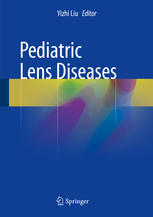

Preserving Vision: Pediatric Lens Diseases
The crystalline lens is crucial for visual development, and any opacity or structural abnormality during early childhood can lead to irreversible amblyopia and lifelong visual impairment. Pediatric Lens Diseases is the definitive, fiercely specialized surgical and clinical manual dedicated entirely to the pathology and management of the child’s lens. This volume provides the exact, high-stakes blueprints required to diagnose, surgically correct, and rehabilitate congenital and acquired lens disorders.
Mastering the Diagnosis of Congenital and Acquired Cataracts
The core philosophy of this text is the absolute urgency of early intervention. The authors aggressively detail the critical window of visual development. They dictate exactly how to evaluate the newborn red reflex, utilize portable slit-lamp biomicroscopy in the uncooperative child, and definitively diagnose visually significant congenital cataracts, differentiating them from transient or benign lens opacities.
Navigating the Surgical Complexity of the Pediatric Eye
The book provides a masterclass in pediatric ophthalmic surgery. The pediatric eye is highly reactive and anatomically distinct from the adult eye. The text dictates the exact surgical techniques required for pediatric lensectomy, detailing the nuances of managing the highly elastic anterior capsule, performing primary posterior capsulorrhexis, and executing anterior vitrectomy to prevent the aggressive visual axis opacification (VAO) that plagues pediatric cases.
Managing Post-Operative Visual Rehabilitation and Amblyopia
This is a fiercely practical guide to the arduous postoperative period. Surgery is merely the first step; the authors provide rigid, relentless protocols for optical rehabilitation. The text dictates exactly how to manage aphakia with specialized contact lenses, execute aggressive patching regimens for amblyopia reversal, and monitor the rapidly changing refractive status of the growing pediatric eye.
Integrating Advanced IOL Technology for Growing Eyes
The final value of this reference is its mastery of Intraocular Lens (IOL) implantation in children. The text provides the exact algorithms for determining when primary IOL implantation is appropriate (based on age and ocular biometry). It dictates how to select IOL power to account for the massive myopic shift that will occur as the child grows, ensuring optimal visual outcomes through adulthood.
Frequently Asked Questions (FAQs)
Does this book cover ectopia lentis (lens dislocation)?
Yes, it exhaustively details the management of subluxated lenses, often associated with Marfan syndrome or homocystinuria, outlining the specific surgical techniques required for capsular bag fixation.
Is there guidance on managing the complications of pediatric cataract surgery?
Absolutely. It provides critical protocols for managing the high risk of postoperative glaucoma, severe inflammation, and secondary membrane formation in the pediatric population.
Who is the primary audience?
It is the absolute, mandatory surgical manual for Pediatric Ophthalmologists, Ophthalmic Surgeons, and Ophthalmology Residents focusing on pediatric care.
Conclusion
Pediatric Lens Diseases proves that preserving a child’s sight requires an uncompromising command of delicate surgical technique, complex biometry, and relentless postoperative rehabilitation. It is the indispensable bedrock of the pediatric ophthalmic surgical suite. By mastering the lensectomy techniques, the IOL calculation algorithms, and the amblyopia management protocols detailed in this exceptional volume, surgeons ensure they give their patients the lifelong gift of clear vision.