
Tackling the Epidemic: Childhood Obesity
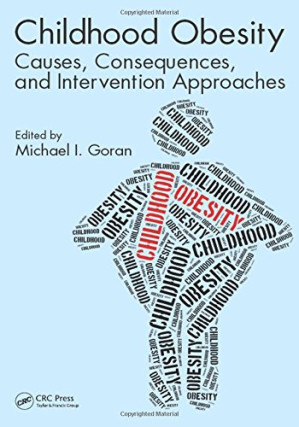
Childhood obesity has emerged as one of the most pressing public health crises of the 21st century, demanding a multifaceted, rigorously evidence-based response from healthcare providers. Childhood Obesity: Causes, Consequences, and Intervention Approaches is the definitive, fiercely comprehensive textbook dedicated to understanding and combating this complex epidemic. This volume provides the exact clinical and public health blueprints required to evaluate, manage, and prevent pediatric obesity at both the individual and population levels.
Mastering the Complex Etiology of Pediatric Weight Gain
The core philosophy of this text is that childhood obesity is rarely the result of a single factor. The authors aggressively deconstruct the complex interplay of genetics, epigenetics, and the modern “obesogenic” environment. They detail exactly how socioeconomic disparities, cultural food practices, and the neurobiology of appetite regulation converge to drive excess weight gain during critical developmental windows.
Navigating the Medical and Psychosocial Consequences
The book provides a masterclass in the profound morbidity associated with the disease. It dictates the exact clinical pathways for diagnosing and managing the early onset of adult conditions, including Type 2 diabetes, non-alcoholic fatty liver disease (NAFLD), obstructive sleep apnea, and early cardiovascular markers. It provides exhaustive details on the severe psychosocial consequences, addressing weight stigma, depression, and eating disorders.
Managing Weight Through Evidence-Based Interventions
This is a fiercely practical guide to reversing the trend. The authors provide rigid, tiered algorithms for intervention, starting with primary care-based motivational interviewing and escalating to intensive, multidisciplinary weight management programs. The text dictates exactly how to prescribe tailored dietary modifications, structure physical activity regimens, and, when necessary, evaluate patients for the safe use of pharmacotherapy or adolescent bariatric surgery.
Integrating Family-Centered Lifestyle Modifications
The final value of this reference is its absolute focus on the family unit as the agent of change. The text provides the exact frameworks for engaging parents without inducing guilt, teaching behavioral modification techniques, and restructuring the home food environment. It dictates how clinicians must move beyond simple “eat less, move more” advice to provide actionable, sustainable strategies that fit the reality of modern family life.
Frequently Asked Questions (FAQs)
Does it cover public health policy interventions?
Yes, it dedicates significant sections to community-based approaches, school nutrition policies, built environment modifications, and the role of legislation in combating the obesity epidemic.
Is there guidance on managing obesity in specific ethnic populations?
Absolutely. It addresses the disproportionate impact of obesity on minority populations, providing culturally tailored intervention strategies and addressing systemic health disparities.
Who is the primary audience?
It is the absolute, mandatory core text for Pediatricians, Registered Dietitians, Public Health Officials, Pediatric Endocrinologists, and Family Medicine Physicians.
Conclusion
Childhood Obesity proves that tackling this crisis requires an uncompromising command of pathophysiology, behavioral psychology, and systemic public health strategy. It is the indispensable bedrock of modern pediatric practice. By mastering the multifaceted causes, the devastating consequences, and the family-centered intervention protocols detailed in this vital volume, professionals can begin to reverse the trajectory of this epidemic and secure a healthier future for the next generation.