

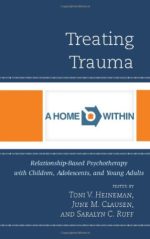

Restoring Psychological Integrity: Treating Trauma
Childhood trauma does not merely cause temporary distress; it fundamentally rewires the developing neurobiology of the brain, disrupting attachment, emotional regulation, and cognitive development. Treating Trauma: Relationship-Based Psychotherapy with Children, Adolescents, and Young Adults is a fiercely analytical, deeply compassionate clinical masterwork. This volume provides the exact, evidence-based blueprints required to penetrate the defenses of traumatized youth and execute the relational repair necessary for profound psychological healing.
Mastering Relationship-Based Interventions for Developmental Trauma
The core philosophy of this text is that the therapeutic relationship is the primary mechanism of neurobiological repair. The authors aggressively deconstruct the limitations of rigid, manualized therapies when applied to complex developmental trauma. They detail exactly how to utilize the nuances of transference, countertransference, and authentic relational attunement to create a secure base—the absolute prerequisite for the traumatized child to begin processing horrific experiences.
Navigating the Neurobiological Impact of Complex Traumatic Stress
The book provides a masterclass in trauma pathophysiology. It dictates the exact ways in which chronic maltreatment, abuse, and neglect hyper-sensitize the amygdala and impair prefrontal cortical function. It details precisely how these neurobiological alterations manifest clinically as explosive rage, profound dissociation, self-harm, and the complete inability to trust adult caregivers.
Managing Dissociation, Affect Dysregulation, and Attachment Ruptures
This is a fiercely practical guide to high-acuity psychotherapy. The authors provide exhaustive details on managing the most challenging clinical presentations. The text dictates exactly how to safely ground a dissociating patient, how to de-escalate severe affect dysregulation during a session, and how to repair the inevitable therapeutic ruptures that occur when a traumatized child tests the boundaries of the clinician’s commitment.
Integrating Evidence-Based Psychotherapy with Relational Repair
The final value of this reference is its clinical integration. The text provides the exact frameworks for weaving evidence-based techniques (like cognitive restructuring or somatic experiencing) into the overarching structure of relationship-based therapy. It dictates how to titrate trauma exposure, ensuring the child can process the memories without becoming re-traumatized by the therapeutic process itself.
Frequently Asked Questions (FAQs)
Does this book address working with the patient’s family or caregivers?
Yes. It recognizes that treating the child in a vacuum is ineffective, providing specific strategies for engaging caregivers and repairing the primary attachment relationships whenever safely possible.
Is the text focused on a specific modality (e.g., CBT, EMDR)?
It utilizes an integrative, relationally-focused psychodynamic framework, utilizing interventions from various modalities, but prioritizing the therapeutic alliance above all specific techniques.
Who is the primary audience?
It is the absolute, undisputed, mandatory clinical masterwork for Child and Adolescent Psychiatrists, Clinical Psychologists, Licensed Clinical Social Workers (LCSWs), and Trauma Therapists.
Conclusion
Treating Trauma proves that healing the profound damage of childhood abuse requires far more than behavioral modification; it demands an uncompromising commitment to authentic relational repair. It is the indispensable bedrock of complex trauma therapy. By mastering the neurobiology of trauma, the management of dissociation, and the art of relationship-based intervention detailed in this profound volume, therapists ensure they can guide the most damaged children toward true psychological restoration.


