
Bridging the Bench and the Clinic: Pediatrician’s Guide to Discussing Research with Patients
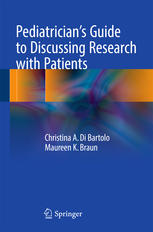
In the modern era of medicine, patients and parents are inundated with clinical trial data, preliminary studies, and outright misinformation regarding novel therapies. When a child has a severe or rare disease, parents desperately look to their pediatrician to decipher this complex science. Pediatrician’s Guide to Discussing Research with Patients is the definitive, fiercely practical communication manual designed to equip clinicians with the skills to translate dense medical research into actionable, comprehensible advice. For pediatricians and subspecialists, this volume provides the uncompromising blueprints required to foster informed, shared decision-making.
Translating Complex Medical Science for Anxious Parents
The core philosophy of this text is that providing data is not the same as providing understanding. The authors aggressively deconstruct the barriers between academic research and clinical practice. They detail exactly how to break down complex concepts like “relative risk,” “p-values,” and “phase III trials” into easily digestible language for parents who are terrified and desperate for a cure, ensuring they truly understand the efficacy and risks of a proposed intervention.
Navigating the Ethics of Pediatric Clinical Trials
The book provides a masterclass in medical ethics. Enrolling a child in a clinical trial is a profound decision. The text dictates the exact, rigid frameworks for discussing experimental therapies. It details precisely how to explain the concept of placebo arms, randomization, and the potential for adverse effects without inducing undue panic, while fiercely protecting the child’s best interests and the parents’ right to informed consent.
Combating Medical Misinformation in the Digital Age
This is a fiercely practical guide to addressing the “Dr. Google” phenomenon. The authors provide exhaustive details on how to professionally and empathetically dismantle medical misinformation found on social media or unregulated blogs. Crucially, it dictates the exact conversational techniques required to guide parents away from dangerous, unproven alternative therapies and back toward evidence-based, scientifically validated treatments.
Fostering Shared Decision-Making in Rare Diseases
The final value of this reference is its absolute focus on collaborative care, particularly for “orphan diseases” where standard protocols do not exist. The text provides the exact communication blueprints for discussing gene therapies, off-label drug use, and compassionate use protocols, ensuring the clinician and the family operate as a unified team navigating the frontier of medical science.
Frequently Asked Questions (FAQs)
Does this book cover vaccine hesitancy?
Yes, it features massive, critical sections on communicating vaccine efficacy and safety data, dictating the exact, non-confrontational techniques required to address parental fears surrounding immunization research.
Is this useful for pediatric oncologists?
Absolutely. The communication strategies are essential for subspecialists discussing highly toxic, experimental chemotherapy regimens or CAR-T cell therapies with desperate families.
Who is the primary audience?
It is the absolute, undisputed, mandatory communication manual for General Pediatricians, Pediatric Subspecialists, Genetic Counselors, and Clinical Trial Coordinators.
Conclusion
Pediatrician’s Guide to Discussing Research with Patients proves that clinical excellence requires not just understanding the science, but mastering the ability to communicate it flawlessly. It is the indispensable bedrock of the modern pediatric consultation. By mastering the translation of statistics, the ethical frameworks for trial enrollment, and the strategies for combating misinformation detailed in this volume, clinicians ensure their patients receive the most informed, compassionate care possible.