
Rethinking Hygiene: Dirt Is Good
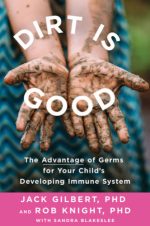
Modern society is obsessed with absolute sterilization, yet this relentless war on microbes coincides with an explosive, terrifying rise in pediatric allergies, asthma, and autoimmune diseases. Dirt Is Good: The Advantage of Germs for Your Child’s Developing Immune System is a fiercely analytical, paradigm-shifting text that violently deconstructs modern hygiene practices. For pediatricians, immunologists, and anxious parents, this volume provides the uncompromising blueprints required to understand the pediatric microbiome and rebuild robust childhood immunity.
The Hygiene Hypothesis and the Rise of Allergies
The core philosophy of this text is that the pediatric immune system is a muscle; if it is not challenged by environmental microbes, it turns inward, attacking the child’s own body or harmless proteins (allergens). The authors aggressively detail the “Hygiene Hypothesis,” providing massive epidemiological evidence proving that over-sanitized, hyper-clean environments are directly responsible for the modern epidemic of childhood allergic diseases.
The Critical Role of the Pediatric Microbiome
The book provides a masterclass in modern microbiology. It dictates exactly how the trillions of bacteria living in a child’s gut (the microbiome) act as the master regulators of the immune system. The text details the precise mechanisms by which early life exposures—such as vaginal birth, breastfeeding, and even exposure to family pets—seed this microbiome, establishing a critical baseline of lifelong immune tolerance.
Differentiating Good Germs from Dangerous Pathogens
This is a fiercely practical guide to rational hygiene. The authors do not advocate for ignoring dangerous infections; they provide the exact, rigid frameworks required to differentiate between life-threatening pathogens (which require aggressive handwashing and antibiotics) and harmless, essential environmental microbes (which children desperately need to encounter in dirt, mud, and nature).
Practical Strategies for Building a Robust Immune System
The final value of this reference is its absolute focus on actionable intervention. The text provides the exact strategies required to actively cultivate a healthy pediatric microbiome. It details the precise, detrimental effects of unnecessary antibiotic use, the importance of a high-fiber, diverse diet (to feed gut bacteria), and the absolute necessity of allowing children to engage in unsterilized, outdoor play.
Frequently Asked Questions (FAQs)
Does this book advise against vaccinations?
Absolutely not. The authors are prominent scientists who strongly support life-saving vaccinations; they are critiquing the over-use of antibacterial soaps, unnecessary antibiotics, and the fear of normal environmental exposure.
Is the science backed by robust research?
Yes. This book translates highly complex, cutting-edge microbiome research and mucosal immunology into accessible, evidence-based guidelines.
Who is the primary audience?
It is an essential, highly recommended read for Parents, Pediatricians, Family Practitioners, and Public Health Educators.
Conclusion
Dirt Is Good proves that our obsession with sterilization is actively damaging the next generation. It is the indispensable manual for redefining pediatric health. By understanding the critical importance of the microbiome, minimizing unnecessary antibiotics, and actively encouraging natural environmental exposure, parents and physicians ensure they are building an ironclad, highly functional immune system for their children.