
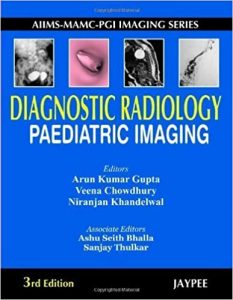

Seeing the Unseen: Diagnostic Radiology: Paediatric Imaging
A child is not simply a miniature adult. Their bones are growing, their brains are rapidly myelinating, and the diseases that afflict them are fundamentally different from adult pathology. Diagnostic Radiology: Paediatric Imaging is the definitive, fiercely specialized atlas dedicated entirely to pediatric radiology. For radiologists, pediatricians, and pediatric surgeons, this volume provides the absolute, uncompromising blueprints required to visually identify congenital anomalies, aggressive pediatric cancers, and silent trauma on X-ray, Ultrasound, MRI, and CT.
The Unique Physics of Pediatric Radiology
The core philosophy of this text is absolute anatomical precision. The authors aggressively deconstruct the changing landscape of the pediatric body. They detail exactly how the appearance of the normal pediatric skeleton changes month by month, ensuring a radiologist does not misdiagnose a normal, open growth plate as a catastrophic bone fracture.
Advanced Neuroimaging and Congenital Anomalies
The book provides a masterclass in pediatric neuro-radiology. It details the exact MRI protocols required to map the infant brain. Readers will learn the precise imaging characteristics of devastating congenital malformations (like Dandy-Walker syndrome and myelomeningocele) and the subtle, hyper-acute signs of hypoxic-ischemic encephalopathy (brain damage from lack of oxygen during birth).
Pediatric Thoracic and Cardiovascular Imaging
This is a fiercely practical guide to life-saving diagnostics. In the neonatal intensive care unit (NICU), a portable chest X-ray dictates immediate survival. The authors provide the rigid diagnostic criteria for differentiating respiratory distress syndrome (RDS) from meconium aspiration. They also detail the complex echocardiography and cardiac MRI required to map fatal congenital heart defects (like Tetralogy of Fallot) before emergency open-heart surgery.
Radiation Safety and the ALARA Principle
The final value of this reference is its absolute focus on patient safety. Pediatric tissue is terrifyingly sensitive to radiation, and unnecessary CT scans can cause future cancers. The text rigidly dictates the “ALARA” (As Low As Reasonably Achievable) principle, providing the exact, low-dose scanning parameters required to obtain diagnostic images while fiercely protecting the child from radiation toxicity.
Frequently Asked Questions (FAQs)
Does this book cover non-accidental trauma (child abuse)?
Yes, it includes massive, critical sections on identifying the hallmark skeletal signs of abuse, such as posterior rib fractures and classic metaphyseal lesions, which are mandatory for legal and protective reporting.
Is ultrasound covered extensively?
Absolutely. Because ultrasound uses zero radiation, it is the primary imaging modality for pediatrics. The book covers cranial ultrasound for premature infants, pyloric stenosis imaging, and pediatric renal scans in extreme detail.
Who is the primary audience?
It is the absolute, mandatory desk reference for Pediatric Radiologists, General Radiology Residents, Pediatric Surgeons, and Neonatologists.
Conclusion
Diagnostic Radiology: Paediatric Imaging proves that pediatric radiology requires a specialized eye and an exhaustive understanding of human development. It is an indispensable tool for the reading room and the pediatric ICU. By mastering the unique pediatric anatomy, the complex congenital imaging patterns, and the rigid radiation safety protocols detailed in this volume, radiologists provide the definitive answers required to save children’s lives.


