
Optimizing the Geriatric Lifespan: Active Ageing and Physical Activity
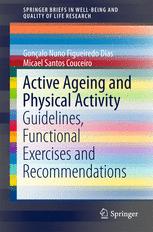
The human body is designed to move, but as we age, a terrifying physiological decline begins—muscles waste away (sarcopenia), bones become brittle (osteoporosis), and balance fails, leading to catastrophic, life-ending falls. Active Ageing and Physical Activity: Guidelines, Functional Exercises and Recommendations is the definitive, fiercely evidence-based clinical manual designed to halt and reverse this decline. For geriatric physical therapists, aging specialists, and physicians, this volume provides the uncompromising blueprints required to keep the elderly population strong, independent, and alive.
The Physiological Impact of Aging on the Musculoskeletal System
The core philosophy of this text is that physiological decline is not inevitable; it is a disease of inactivity that can be treated. The authors aggressively detail the biology of aging. They explain exactly how muscle fibers atrophy, how cardiovascular compliance decreases, and how the central nervous system’s proprioceptive feedback loops degrade, establishing exactly what the exercise prescription must fix.
Evidence-Based Guidelines for Geriatric Exercise Prescription
The book provides a masterclass in modified exercise physiology. You cannot train an 80-year-old like a 20-year-old athlete. The authors provide the exact, rigid FITT (Frequency, Intensity, Time, Type) protocols specifically calibrated for the geriatric population. They detail exactly how to prescribe resistance training to combat sarcopenia without overloading arthritic joints or triggering a cardiovascular event.
Fall Prevention and Balance Training
This is a fiercely practical guide to survival. In the geriatric population, a hip fracture from a fall has a terrifyingly high mortality rate. The authors dedicate massive sections to fall prevention. Readers will learn the exact, progressive balance and agility exercises required to retrain the vestibular system and improve reaction times, ensuring the patient can catch themselves before they hit the ground.
Modifying Exercises for Cardiovascular and Joint Pathologies
The final value of this reference is its focus on multimorbidity. Most elderly patients have multiple diseases simultaneously. The text provides explicit, rigid guidelines for safely prescribing exercise to a patient who has severe osteoarthritis, a pacemaker, and Type 2 diabetes, ensuring the physical therapy intervention improves their health without exacerbating their underlying medical conditions.
Frequently Asked Questions (FAQs)
Is this a book of generic “water aerobics” routines?
Absolutely not. This is a highly advanced, heavily cited clinical textbook. It focuses on heavy resistance training, neuromuscular re-education, and cardiovascular physiology tailored for older adults.
Does it cover the cognitive benefits of exercise (like preventing dementia)?
Yes, it features critical sections detailing the neuroprotective effects of aerobic exercise on brain volume, memory retention, and the delay of cognitive decline.
Who is the primary audience?
It is the absolute, mandatory clinical guide for Geriatric Physical Therapists (GCS), Occupational Therapists, Gerontologists, and specialized Personal Trainers.
Conclusion
Active Ageing and Physical Activity proves that a wheelchair is not an inevitable consequence of getting older. It is an indispensable guide to preserving human dignity and independence. By utilizing the specific resistance protocols, the rigorous fall prevention strategies, and the careful disease-modification guidelines provided in this volume, therapists can add massive quality and function to the final decades of their patients’ lives.


