

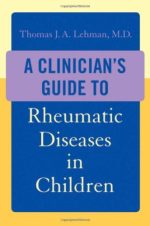
Conquering Inflammation: A Clinician’s Guide to Rheumatic Diseases in Children
Pediatric rheumatic diseases are stealthy, destructive, and complex. They masquerade as common childhood ailments—a persistent fever, a limp, a strange rash—delaying diagnosis while inflammation silently ravages joints, eyes, and vital organs. Early recognition and aggressive intervention are the only ways to prevent lifelong disability. A Clinician’s Guide to Rheumatic Diseases in Children is the definitive, fiercely clinical manual designed to combat this diagnostic delay. This volume provides the exact criteria and targeted therapeutic protocols required by frontline clinicians and specialists to identify and halt these devastating autoimmune processes.
Mastering the Diagnosis of Pediatric Autoimmune Disorders
The core philosophy of this text is rapid, accurate pattern recognition. The authors aggressively detail the myriad ways rheumatic diseases present in children. They dictate exactly how to differentiate a benign “growing pain” or transient synovitis from the insidious onset of Juvenile Idiopathic Arthritis (JIA), providing the rigorous clinical and serological frameworks necessary for early, definitive diagnosis.
Navigating Juvenile Idiopathic Arthritis (JIA) and Systemic Lupus
The book provides a masterclass in managing the major pediatric rheumatic pathologies. It dictates the exact ILAR classification criteria for the various subtypes of JIA. It provides exhaustive, highly detailed guidelines for identifying and managing the complex, multi-system involvement of pediatric Systemic Lupus Erythematosus (SLE), Juvenile Dermatomyositis (JDM), and potentially fatal conditions like Macrophage Activation Syndrome (MAS).
Managing Immunomodulatory Therapies and Biologics
This is a fiercely practical guide to high-stakes prescribing. The authors provide rigid algorithms for the “treat-to-target” approach. The text dictates the exact indications, dosing, and intense monitoring protocols for disease-modifying antirheumatic drugs (DMARDs) like methotrexate, and details the aggressive deployment of advanced biologic therapies (TNF, IL-1, and IL-6 inhibitors) required to induce remission and preserve joint function.
Integrating Multidisciplinary Care for Optimal Joint Health
The final value of this reference is its holistic mandate. The text dictates that pharmacological suppression is only half the battle. It ensures clinicians understand the absolute necessity of integrating intensive physical and occupational therapy, routine ophthalmological screening (to prevent silent, blindness-inducing uveitis), and psychological support to manage the profound burden of chronic pain and lifelong medication.
Frequently Asked Questions (FAQs)
Does this book cover pediatric vasculitis?
Yes, it features critical, high-yield sections on diagnosing and managing Kawasaki disease, Henoch-Schönlein purpura (HSP), and rarer forms of vasculitis, dictating the acute interventions required to prevent catastrophic vascular damage.
Are there specific guidelines for interpreting pediatric rheumatology labs?
Absolutely. It provides explicit protocols for interpreting ANAs, Rheumatoid Factors, and acute phase reactants in children, emphasizing the danger of over-relying on labs without a strong clinical context.
Who is the primary audience?
It is the absolute, mandatory clinical resource for Pediatric Rheumatologists, General Pediatricians, Family Physicians, and Pediatric Residents.
Conclusion
A Clinician’s Guide to Rheumatic Diseases in Children proves that protecting a child from autoimmune destruction requires high clinical suspicion and swift, aggressive therapy. It is the indispensable bedrock of pediatric rheumatology practice. By mastering the diagnostic criteria, the biologic treatment algorithms, and the multidisciplinary care plans detailed in this vital volume, clinicians can alter the trajectory of these diseases and protect their patients’ futures.


