
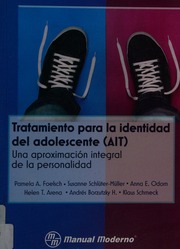


The Fragmented Self: Adolescent Identity Treatment: An Integrative Approach for Personality Pathology
Adolescence is inherently a period of identity formation, but for a subset of teenagers, this process catastrophically derails. The failure to integrate a cohesive sense of self leads to profound personality pathology—specifically Borderline Personality Disorder (BPD)—characterized by self-harm, volatile relationships, and chronic emptiness. Adolescent Identity Treatment: An Integrative Approach for Personality Pathology (AIT) is the definitive, fiercely targeted clinical manual for treating these high-risk adolescents. This volume provides the exact blueprints required by psychotherapists to aggressively intervene before the fragmented identity ossifies into a lifelong, disabling condition.
Mastering Identity Diffusion
The core philosophy of this text is structural integration. The authors aggressively detail the concept of “identity diffusion”—the core psychological defect in BPD where the adolescent cannot integrate positive and negative representations of themselves and others (splitting). It dictates exactly how the therapist must navigate the intense transference and countertransference that inevitably arise when treating these highly volatile, frequently suicidal patients.
Navigating the AIT Treatment Framework
The book provides a masterclass in modified psychodynamic therapy. It dictates the exact, step-by-step clinical pathways of AIT, integrating object relations theory with cognitive-behavioral techniques and crucial psychoeducation for the parents. It provides exhaustive, practical transcripts of therapy sessions, demonstrating precisely how to confront self-destructive behaviors while maintaining the therapeutic alliance.
Frequently Asked Questions (FAQs)
Is AIT the same as Dialectical Behavior Therapy (DBT)?
No. While both treat BPD, AIT focuses fundamentally on resolving the underlying structural *identity diffusion* (the root cause), whereas DBT initially focuses heavily on teaching behavioral skills to manage the immediate emotional dysregulation (the symptoms).
Who is the primary audience?
It is the absolute, mandatory clinical guide for Child and Adolescent Psychiatrists, Clinical Psychologists, Clinical Social Workers, and specialized Psychotherapists.


