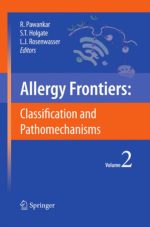

The Hypersensitive Immune System: Allergy Frontiers: Classification and Pathomechanisms
Allergy is not simply a nuisance; it is a profound, systemic dysfunction where the immune system mounts a massive, sometimes lethal attack against harmless environmental antigens. The incidence of allergic disease—from asthma to anaphylaxis—is exploding globally. Allergy Frontiers: Classification and Pathomechanisms is the definitive, fiercely advanced immunological text dedicated to unraveling the molecular drivers of this epidemic. This volume provides the exact blueprints required by researchers and clinical immunologists to understand the genesis of the allergic response.
Mastering IgE and the Th2 Response
The core philosophy of this text is molecular pathogenesis. The authors aggressively detail the classic Gell and Coombs classification of hypersensitivity, focusing heavily on Type I (IgE-mediated) reactions. It dictates exactly how naive T-cells differentiate into Th2 cells, driving the massive production of interleukin-4 (IL-4) and IL-13, which forces B-cells to class-switch and produce the pathogenic IgE antibodies that arm the mast cells.
Navigating Epigenetics and the “Hygiene Hypothesis”
The book provides a masterclass in the etiology of the allergy epidemic. It dictates the exact research pathways investigating the “hygiene hypothesis”—the concept that reduced childhood exposure to microbes (due to modern sanitation and antibiotics) prevents the immune system from establishing proper regulatory tolerance. It provides exhaustive reviews of the epigenetic modifications that bridge the gap between environmental exposures and long-term allergic risk.
Frequently Asked Questions (FAQs)
Is this a clinical manual for treating patients with antihistamines?
No, it is an advanced scientific text focused on the *pathomechanisms* and molecular classification of the disease, providing the foundation necessary for developing novel biological therapies.
Who is the primary audience?
It is the absolute, mandatory reference for Allergists, Clinical Immunologists, Asthma Researchers, and Immunopharmacologists.