

The Math of Eradication: Antibiotic Pharmacodynamics
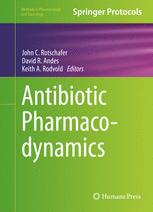
Prescribing an antibiotic is not simply a matter of identifying the bacteria and picking a drug from a list; it is a highly complex, mathematical war of attrition. If the dosing mathematics are wrong, the drug will fail to kill the bacteria, and worse, it will force the surviving bacteria to mutate into an unstoppable, drug-resistant superbug. Antibiotic Pharmacodynamics is the definitive, highly advanced textbook exploring the precise calculus of bacterial eradication. For infectious disease pharmacists, critical care physicians, and clinical microbiologists, this volume provides the absolute blueprints for optimizing antimicrobial therapy in the sickest patients on Earth.
Beyond Minimum Inhibitory Concentration (MIC)
The opening chapters of this book destroy the simplistic notion of the MIC (the lowest concentration of a drug required to stop bacterial growth in a test tube). The authors rigorously explain that knowing the MIC is only the beginning. The clinician must understand exactly how the drug behaves in relation to that MIC over a 24-hour period inside the human body. This requires a profound integration of human pharmacokinetics (what the body does to the drug) and bacterial pharmacodynamics (what the drug does to the bacteria).
Time-Dependent vs. Concentration-Dependent Killing
The core of the textbook provides a masterclass in the two fundamental laws of antibiotic killing. Readers will rigorously explore:
- Time-Dependent Antibiotics (like Penicillins and Cephalosporins): These drugs do not care how high the dose is; they only care how long the drug stays above the MIC. The text teaches clinicians how to utilize continuous IV infusions to guarantee maximum lethality.
- Concentration-Dependent Antibiotics (like Aminoglycosides and Fluoroquinolones): These drugs demand a massive, overwhelming initial strike. The authors detail how to calculate the exact, massive single dose required to achieve a peak concentration that is 10 times higher than the MIC, instantly obliterating the infection.
The Post-Antibiotic Effect (PAE)
The book details the fascinating phenomenon of the Post-Antibiotic Effect. The authors explain how certain powerful drugs (like Azithromycin) continue to suppress bacterial growth for days after the drug has completely left the patient’s bloodstream. Understanding PAE allows the clinician to drastically safely extend the dosing interval, increasing patient compliance and reducing toxicity.
Optimizing Dosing Regimens for Critically Ill Patients
This is a fiercely practical clinical manual for the Intensive Care Unit. The authors explain the catastrophic pharmacokinetic changes that occur during severe sepsis. They detail how massive fluid resuscitation dilutes the antibiotic (increasing the Volume of Distribution), and how hyperdynamic kidneys aggressively flush the drug out of the body, requiring the clinician to double or triple standard antibiotic doses to prevent the patient from dying of a resistant infection.
Combating Antimicrobial Resistance (AMR)
The final chapters address the global crisis of Antimicrobial Resistance. The text argues that sub-optimal dosing is the primary driver of resistance. It provides advanced mathematical models for calculating the “Mutant Prevention Concentration” (MPC), teaching clinicians how to dose high enough to kill not just the normal bacteria, but the naturally occurring resistant mutants hidden within the colony.
Frequently Asked Questions (FAQs)
Does this book cover antifungal and antiviral pharmacodynamics?
While primarily focused on antibacterials, it includes critical chapters on optimizing the dosing of heavy-hitting antifungals (like Echinocandins) for invasive candidiasis.
Is the mathematics highly complex?
Yes. It relies heavily on advanced PK/PD modeling, AUC/MIC ratios, and Monte Carlo simulations.
Who is the primary audience?
It is the absolute gold standard for Infectious Disease Pharmacy Residents (PGY2), clinical microbiologists, and ICU intensivists.
Conclusion
Antibiotic Pharmacodynamics transforms antimicrobial prescribing from an educated guess into a precise, mathematical science. It proves that in the war against superbugs, we cannot afford to miss. By mastering the advanced kinetic models and rigorous dosing strategies detailed in this volume, clinicians can guarantee absolute bacterial eradication, saving the patient’s life while fiercely protecting the global efficacy of our most precious medical resource.