The Cellular Arsonist: Biochemistry of Oxidative Stress: Physiopathology and Clinical Aspects
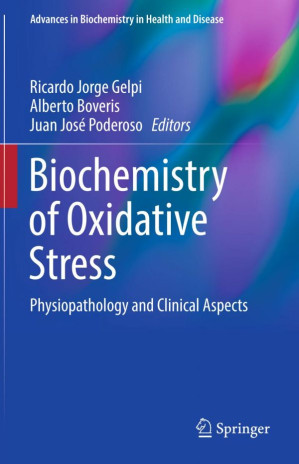
Reactive Oxygen Species (ROS) are the double-edged swords of cellular biology. In small, controlled bursts, they act as vital signaling molecules and immunological weapons against bacteria. However, when ROS production overwhelms the body’s antioxidant defenses, the result is “oxidative stress”—a chaotic biochemical fire that shreds DNA, peroxidizes lipids, and drives the pathogenesis of nearly every chronic human disease. Biochemistry of Oxidative Stress: Physiopathology and Clinical Aspects is the definitive, fiercely advanced biochemical text detailing this destructive phenomenon. This volume provides the exact blueprints required by researchers and clinicians to understand how this microscopic damage cascades into macroscopic organ failure.
Mastering the Free Radical Cascade
The core philosophy of this text is molecular biophysics. The authors aggressively detail the specific mitochondrial and cytosolic pathways that generate superoxide radicals, hydrogen peroxide, and the highly toxic hydroxyl radical. It dictates exactly how these molecules initiate lipid peroxidation in cell membranes, ultimately leading to cell death (apoptosis or necrosis) and triggering massive systemic inflammation.
Navigating the Clinical Consequences
The book provides a masterclass in translational biochemistry. It dictates the exact clinical pathways linking chronic oxidative stress to the development of atherosclerosis (via oxidized LDL), neurodegenerative diseases like Alzheimer’s (via amyloid-beta toxicity), and the fundamental mechanisms of biological aging. It provides exhaustive reviews of both endogenous antioxidant systems (glutathione, superoxide dismutase) and the complex, often disappointing clinical trials surrounding exogenous antioxidant supplementation.
Frequently Asked Questions (FAQs)
Does this book cover oxidative stress in cancer?
Yes, it features critical chapters on how ROS acts as a potent mutagen, driving DNA damage and genomic instability, thereby initiating and promoting oncogenesis.
Who is the primary audience?
It is the absolute, mandatory reference for Molecular Biochemists, Toxicologists, Pathologists, and Researchers in Aging and Chronic Disease.