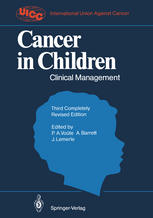


The Pediatric Battlefield: Cancer in Children: Clinical Management
Treating a child with cancer is fundamentally different from treating an adult. A child’s tumor is not caused by decades of smoking or bad diet; it is an explosive, terrifying embryological error. If you treat a child with adult chemotherapy protocols, you will either fail to kill the aggressive tumor, or the toxicity will permanently destroy their growing brain and organs. Cancer in Children: Clinical Management is the brutally precise, highly specialized master text detailing exactly how to navigate this impossible tightrope. This volume provides the absolute, non-negotiable oncological blueprints required to save the child’s life while preserving their future.
Mastering the Acute Lymphoblastic Leukemia (ALL) Protocol
The core philosophy of this text is intense, highly calibrated toxicity. The authors aggressively detail the mechanics of pediatric induction therapy. It dictates exactly how a pediatric oncologist must unleash a massive, multi-drug chemical assault on the child’s bone marrow to force a rapid remission, while utilizing complex intrathecal chemotherapy (injecting poison directly into the spine) to prevent the leukemia cells from hiding in the child’s brain.
Navigating Late Effects and Survivorship
The book provides a masterclass in managing the collateral damage of a cure. It dictates the exact clinical pathways for long-term monitoring. It rigorously explores the devastating reality that irradiating a young girl’s chest to cure Hodgkin’s Lymphoma mathematically guarantees a massive risk of breast cancer in her twenties, detailing the aggressive, lifelong surveillance protocols required to keep the survivor alive.
Frequently Asked Questions (FAQs)
Does this book focus on adult solid tumors like lung or colon cancer?
No, its absolute, exclusive focus is on the *unique biology, intense pharmacology, and specialized care* required for pediatric malignancies.
Who is the primary audience?
It is the absolute, mandatory definitive reference for Pediatric Oncologists, Pediatric Hematologists, Oncology Nurses, and Pediatric Surgeons.