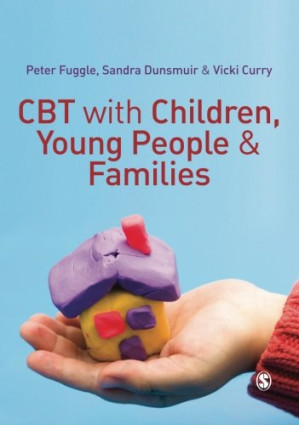



Transformative Therapy: CBT with Children, Young People and Families
Translating the principles of Cognitive Behavioral Therapy (CBT)—a highly structured, insight-driven modality—into practice for children and adolescents requires profound clinical agility. The techniques that work for a motivated adult will fail spectacularly with a distressed, developmentally immature, or resistant child. CBT with Children, Young People and Families is the definitive, fiercely practical manual designed to adapt these powerful techniques for younger populations. This volume provides the exact, developmentally appropriate strategies required by therapists to effectively treat anxiety, depression, and behavioral disorders in a family context.
Mastering Age-Appropriate Cognitive Behavioral Techniques
The core philosophy of this text is developmental adaptation. The authors aggressively detail how to modify classic CBT tools, such as cognitive restructuring and behavioral activation, for different age groups. They dictate exactly how to use concrete metaphors, visual aids, and interactive worksheets to help young children identify “thinking traps” (cognitive distortions) and recognize the connection between their thoughts, feelings, and physical sensations.
Navigating Anxiety, Depression, and Behavioral Disorders
The book provides a masterclass in targeted clinical interventions. It dictates the exact exposure protocols required to treat specific phobias and obsessive-compulsive disorder (OCD) in adolescents, ensuring the therapist can guide the young person through graded exposures without causing overwhelming distress. It provides exhaustive strategies for managing adolescent depression, focusing on behavioral activation and building distress tolerance skills.
Managing Family Dynamics and Parental Involvement
This is a fiercely systemic approach to therapy. The authors recognize that a child’s pathology does not exist in a vacuum; they provide rigid frameworks for involving parents in the therapeutic process. The text dictates exactly how to train parents as “co-therapists,” teaching them to reinforce CBT skills at home, manage contingencies effectively, and avoid accommodating the child’s anxiety (e.g., allowing school refusal).
Integrating Play and Creative Arts into CBT
The final value of this reference is its creative flexibility. The text dictates how to seamlessly integrate play therapy techniques—using puppets, role-play, and storytelling—into the structured CBT framework. This ensures that the therapy remains engaging and accessible for younger children who may lack the verbal sophistication for traditional talk therapy.
Frequently Asked Questions (FAQs)
Does this book address trauma-focused CBT (TF-CBT)?
Yes, it features critical sections on adapting CBT for young people who have experienced abuse or trauma, dictating how to safely process traumatic memories and build coping narratives.
Are there specific guidelines for neurodivergent children?
Absolutely. It provides explicit modifications for utilizing CBT with children diagnosed with Autism Spectrum Disorder (ASD) or ADHD, focusing on visual structures and concrete behavioral goals.
Who is the primary audience?
It is the absolute, mandatory clinical guide for Child Psychologists, Licensed Clinical Social Workers, School Counselors, and Child Psychiatrists.
Conclusion
CBT with Children, Young People and Families proves that effective therapy requires more than just knowing the theory; it requires mastering the delivery. It is the indispensable bedrock of pediatric psychological intervention. By mastering the age-appropriate adaptations, the family integration strategies, and the creative techniques detailed in this vital volume, therapists can facilitate profound behavioral and emotional changes in young clients.