

Seeing with the Brain: Cerebral Visual Impairment in Children
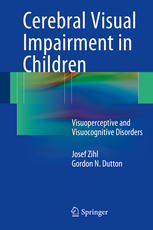
When a child cannot see, but their eyes are structurally perfect, the medical system often fails them. Cerebral Visual Impairment (CVI) is the leading cause of pediatric visual impairment in the developed world, arising from devastating damage to the brain’s visual pathways rather than the eye itself. Cerebral Visual Impairment in Children: Visuoperceptive and Visuocognitive Disorders is the definitive, fiercely comprehensive clinical manual dedicated to decoding this invisible disability. For pediatric neurologists, ophthalmologists, and vision educators, this volume provides the uncompromising blueprints required to diagnose CVI and implement critical neurological rehabilitations.
Decoding the Neurobiology of CVI
The core philosophy of this text is that vision occurs in the brain, not just the eye. The authors aggressively deconstruct the neuroanatomy of the dorsal and ventral visual streams. They detail exactly how hypoxic-ischemic encephalopathy (HIE), periventricular leukomalacia (PVL) in premature infants, or severe pediatric trauma physically severs these pathways, resulting in profound deficits in visual processing, movement detection, and object recognition.
Differentiating Ocular Blindness from Cortical Visual Dysfunction
The book provides a masterclass in complex neuro-ophthalmic diagnosis. It dictates the exact, rigid protocols required to differentiate CVI from delayed visual maturation or occult ocular disease. It details precisely why standard visual acuity charts are entirely useless for these children, demanding that clinicians recognize the classic behavioral markers of CVI: a requirement for movement to see, color preference (usually red/yellow), and an inability to process visually crowded environments.
Specialized Assessment Tools for the Visuocognitive Profile
This is a fiercely practical guide to evaluating brain-based vision. The authors provide exhaustive details on specialized assessment frameworks. The text dictates the exact protocols for utilizing tools like the CVI Range to systematically map the child’s specific visuoperceptive deficits, ensuring that educators understand exactly *how* the child sees the world, which is essential for creating an effective learning plan.
Implementing Targeted Educational and Environmental Adaptations
The final value of this reference is its absolute focus on neuroplasticity and intervention. The text provides the exact environmental blueprints for managing a child with CVI. It dictates how to radically simplify visual spaces, utilize specific high-contrast colors, and minimize sensory clutter, leveraging the brain’s neuroplasticity to build new visual pathways and drastically improve the child’s functional vision over time.
Frequently Asked Questions (FAQs)
Does this book cover CVI in children with profound multiple disabilities?
Yes, it features massive, critical sections on assessing and managing CVI in children with severe cerebral palsy and profound intellectual disabilities, where CVI is frequently missed.
Are neuroimaging techniques discussed?
Absolutely. The text provides detailed correlations between specific MRI findings (like occipital lobe infarctions) and the predicted visuocognitive deficits, aiding in early diagnosis.
Who is the primary audience?
It is the absolute, undisputed, mandatory reference for Pediatric Neurologists, Pediatric Ophthalmologists, Teachers of the Visually Impaired (TVIs), and Occupational Therapists.
Conclusion
Cerebral Visual Impairment in Children proves that diagnosing and treating brain-based blindness requires a radical departure from traditional ophthalmology. It is the indispensable bedrock of pediatric neuro-vision care. By mastering the neuroanatomical pathways, the specialized behavioral assessments, and the environmental adaptations detailed in this volume, clinicians ensure they are unlocking the visual potential hidden within the damaged brain.


