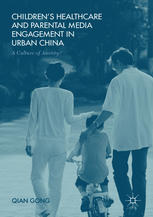


Navigating the Digital Health Landscape: Parental Media Engagement in Urban China
In the modern era, a pediatrician’s most powerful rival is no longer folk medicine; it is the limitless, often terrifying expanse of the internet. Children’s Healthcare and Parental Media Engagement in Urban China: A Culture of Anxiety? is a profoundly analytical, groundbreaking sociological text that dissects the intersection of digital media, parental anxiety, and pediatric healthcare. For pediatricians, public health policymakers, and medical sociologists, this volume provides the uncompromising blueprints required to understand and manage the “Dr. Google” phenomenon in one of the world’s most hyper-connected societies.
The Intersection of Digital Media and Pediatric Anxiety
The core philosophy of this text is that the internet has fundamentally altered the doctor-patient relationship. The authors aggressively deconstruct the sociological landscape of urban China, where the One-Child Policy’s legacy and intense social pressure have created a hyper-vigilant parenting culture. They detail exactly how unlimited access to uncurated medical information on platforms like WeChat and Baidu fuels massive, often paralyzing parental anxiety regarding minor pediatric illnesses.
The Impact of the Internet on Health-Seeking Behaviors
The book provides a masterclass in digital epidemiology. It dictates exactly how parents use the internet to self-diagnose their children before ever stepping foot in a clinic. The text details the complex mechanisms by which misinformation spreads through online parenting forums, leading to dangerous delays in seeking professional care or the demand for unnecessary, aggressive medical interventions, such as IV antibiotics for viral colds.
Deconstructing the Culture of Anxiety in Modern Parenting
This is a fiercely practical guide to understanding the modern parent’s psychology. The authors do not dismiss parental internet use as mere paranoia; they analyze it as a desperate search for control in a high-stakes environment. They provide exhaustive details on how the commercialization of healthcare and the erosion of trust in the medical establishment drive parents to rely on crowdsourced, often medically inaccurate, digital advice.
Communication Strategies for Clinicians Facing “Dr. Google”
The final value of this reference is its absolute focus on clinical communication. How does a physician convince a parent that their internet research is wrong? The text provides the exact, evidence-based communication frameworks required to navigate these explosive consultations. It details precisely how clinicians must acknowledge the parent’s anxiety, respectfully deconstruct the misinformation, and rebuild trust in evidence-based pediatric practice.
Frequently Asked Questions (FAQs)
Is this book only relevant to doctors practicing in China?
Absolutely not. While the sociological context is urban China, the phenomenon of internet-induced parental anxiety (“cyberchondria”) and the strategies to manage it are universally applicable to pediatric clinics worldwide.
Does it propose solutions for public health policy?
Yes, it features critical sections demanding that health authorities aggressively counter misinformation by establishing robust, highly accessible, and authoritative digital health platforms for parents.
Who is the primary audience?
It is the absolute, undisputed, mandatory reference for Pediatricians, General Practitioners, Medical Sociologists, Public Health Policymakers, and Health Communications Specialists.
Conclusion
Children’s Healthcare and Parental Media Engagement in Urban China proves that treating a child today requires treating the parent’s digital anxiety. It is the indispensable manual for the modern clinic. By understanding the sociological drivers of internet use, deconstructing the spread of medical misinformation, and mastering the complex communication strategies detailed in this volume, physicians ensure they can effectively guide families through the chaotic digital health landscape.