
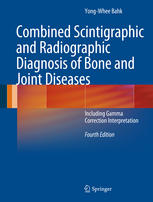

The Isotopic Eye: Combined Scintigraphic and Radiographic Diagnosis of Bone and Joint Diseases
A standard x-ray is excellent at demonstrating the physical structure of bone, but it is profoundly blind to its biological activity. By the time an osteolytic tumor or a bone infection (osteomyelitis) is visible on a radiograph, massive, often irreversible destruction has already occurred. Combined Scintigraphic and Radiographic Diagnosis of Bone and Joint Diseases is a fiercely specialized, highly advanced diagnostic manual designed to fuse structural anatomy with metabolic reality. This volume provides the exact blueprints required to detect pathology long before it alters the physical architecture of the skeleton.
Mastering the Gamma Camera
The core philosophy of this text is the visualization of osteoblastic activity. The authors aggressively detail the physics and pharmacology of Technetium-99m (Tc-99m) bone scintigraphy. It dictates exactly how this radioisotope binds to areas of active bone turnover, creating “hot spots” that identify stress fractures, metastatic prostate cancer, or acute infection weeks before they become radiolucent on a plain film.
Navigating Multimodal Fusion
The book provides a masterclass in diagnostic correlation. It dictates the exact clinical pathways for interpreting a complex, three-phase bone scan. Crucially, it rigorously details how to fuse these metabolic findings with the structural detail provided by concurrent radiographs, CT scans, or MRI (a precursor to modern SPECT/CT), allowing for pinpoint anatomical localization of the metabolic abnormality.
Frequently Asked Questions (FAQs)
Is bone scintigraphy still relevant in the age of MRI?
Absolutely. While MRI provides superior structural detail, a whole-body bone scan remains the gold standard for detecting diffuse skeletal metastases or systemic metabolic bone disease due to its unmatched sensitivity to bone turnover.
Who is the primary audience?
It is the absolute, mandatory diagnostic atlas for Nuclear Medicine Physicians, Musculoskeletal Radiologists, and Orthopedic Oncologists.


