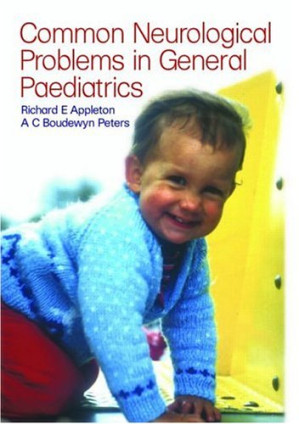



Clarifying Complexity: Common Neurological Problems in General Paediatrics
Neurological complaints—from severe headaches to developmental delays to frightening seizures—are among the most common and anxiety-provoking reasons parents seek pediatric care. For the general pediatrician, the challenge is immense: distinguishing benign conditions from devastating neurological disease without subjecting every child to unnecessary, traumatic, and expensive investigations. Common Neurological Problems in General Paediatrics is the definitive, fiercely practical clinical manual designed specifically for the primary care physician. This volume provides the exact, evidence-based algorithms required to confidently diagnose, manage, and appropriately refer pediatric neurological issues.
Mastering the Pediatric Neurological Examination
The core philosophy of this text is clinical acuity over immediate technological reliance. The authors aggressively emphasize the power of the neurological exam. They dictate exactly how to adapt the exam for an uncooperative toddler versus an adolescent, providing the specific techniques required to elicit subtle signs of hypotonia, ataxia, or focal motor deficits that define the underlying pathology.
Navigating Headaches, Seizures, and Developmental Delay
The book provides a masterclass in targeted evaluation. It dictates the exact diagnostic criteria for pediatric migraines versus tension headaches and outlines the specific “red flag” symptoms (e.g., early morning vomiting, waking from sleep) that mandate an urgent MRI. It provides exhaustive guidelines for evaluating a first-time seizure, distinguishing true epilepsy from febrile seizures or benign breath-holding spells.
Managing Referrals: When to Call the Neurologist
This is a fiercely practical guide to resource management. The authors provide rigid protocols for determining the limits of primary care. The text dictates exactly when a child with a macrocephaly, a developmental regression, or a complex tic disorder must be referred to a pediatric neurologist, ensuring that specialized care is utilized efficiently and appropriately.
Integrating Neurodiagnostic Tests (EEG, MRI) into Primary Care
The final value of this reference is its guidance on investigations. The text dictates the precise indications for ordering neuroimaging or an EEG in the primary care setting. It ensures that pediatricians understand the high rate of incidental findings on MRIs and the potential for misinterpreting EEGs, preventing the dangerous cascade of over-investigation for benign conditions.
Frequently Asked Questions (FAQs)
Does this book address neurodevelopmental disorders like Autism or ADHD?
Yes, it features critical sections on the initial primary care evaluation of suspected ASD, ADHD, and specific learning disabilities, dictating the appropriate screening tools and initial management steps.
Are there specific guidelines for managing cerebral palsy?
Absolutely. It provides explicit protocols for the general pediatrician’s role in coordinating the multidisciplinary care (spasticity management, nutrition, orthopedics) required for a child with CP.
Who is the primary audience?
It is the absolute, mandatory clinical resource for General Pediatricians, Family Physicians, Pediatric Nurse Practitioners, and Primary Care Trainees.
Conclusion
Common Neurological Problems in General Paediatrics proves that exceptional neurological care begins in the primary care office. It is the indispensable bedrock of frontline pediatric neurology. By mastering the clinical examination techniques, the diagnostic algorithms, and the referral protocols detailed in this vital volume, general pediatricians can provide confident, safe, and effective care for children with neurological concerns.