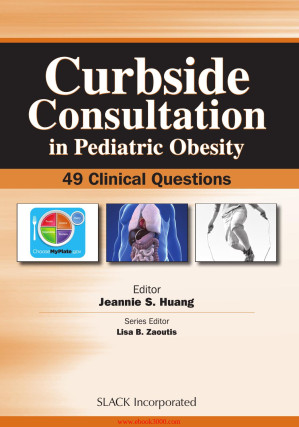


Direct Answers: Curbside Consultation in Pediatric Obesity: 49 Clinical Questions
Childhood obesity has reached epidemic proportions, presenting frontline clinicians with a relentless wave of complex, multifaceted cases. Traditional textbooks often provide sweeping epidemiological overviews but fail to address the specific, frustrating challenges doctors face in the exam room. Curbside Consultation in Pediatric Obesity: 49 Clinical Questions is the definitive, fiercely practical solution. This volume mimics a consultation with a top specialist, providing the exact, targeted answers required by pediatricians to effectively manage the medical, behavioral, and psychological components of childhood obesity.
Mastering the Complex Etiology of Childhood Obesity
The core philosophy of this text is that obesity is rarely just about diet. The authors aggressively tackle the underlying drivers of weight gain. They dictate exactly how to evaluate a child for rare endocrine causes of obesity (e.g., hypothyroidism, Cushing’s syndrome) and genetic syndromes (e.g., Prader-Willi), ensuring that clinicians do not miss underlying pathology while focusing on lifestyle factors.
Navigating Difficult Conversations with Parents and Children
The book provides a masterclass in clinical communication. It dictates the exact phrasing required to discuss weight with a child and their parents without causing shame or defensiveness. It provides exhaustive strategies for utilizing motivational interviewing techniques, empowering families to take ownership of small, sustainable lifestyle changes rather than dictating impossible dietary restrictions.
Managing Comorbidities: Type 2 Diabetes and Hypertension
This is a fiercely practical guide to the medical consequences of obesity. The authors provide rigid screening protocols for metabolic syndrome. The text dictates exactly when to order fasting lipid panels, hemoglobin A1c tests, and liver function tests (to evaluate for non-alcoholic fatty liver disease). It provides the essential algorithms for managing pediatric hypertension and pre-diabetes in the primary care setting.
Integrating Behavioral, Dietary, and Pharmacological Interventions
The final value of this reference is its comprehensive treatment approach. The text dictates the evidence base for various dietary interventions and the critical role of physical activity. Crucially, it provides explicit guidelines on when to consider pharmacological interventions (e.g., metformin, anti-obesity medications) and the strict referral criteria for adolescent bariatric surgery.
Frequently Asked Questions (FAQs)
Does this book address the psychological impact of obesity?
Yes, it features critical sections on screening for depression, anxiety, and eating disorders (like binge eating disorder), dictating how these psychological factors frequently sabotage weight loss efforts.
Are there specific guidelines for managing the “picky eater” who is overweight?
Absolutely. It provides explicit behavioral strategies for parents struggling to introduce nutrient-dense foods to a child who demands only highly processed, high-calorie options.
Who is the primary audience?
It is the absolute, mandatory clinical resource for Pediatricians, Family Physicians, Nurse Practitioners, and Dietitians.
Conclusion
Curbside Consultation in Pediatric Obesity proves that managing this epidemic requires nuanced, highly practical strategies. It is the indispensable bedrock of effective primary care intervention. By mastering the communication techniques, the comorbidity screening protocols, and the multifaceted treatment approaches detailed in this vital volume, clinicians can make a profound difference in the trajectory of a child’s health.