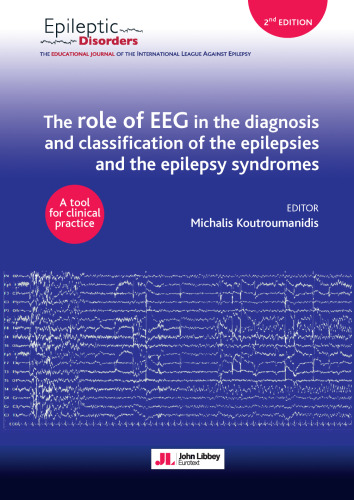


Decoding the Brain: EEG and Epilepsy
The electroencephalogram (EEG) remains the cornerstone of epileptology, offering a real-time window into the electrical activity of the brain. However, interpreting these complex waveforms—distinguishing true epileptiform discharges from benign variants or technical artifacts—requires years of specialized training. EEG and Epilepsy is the definitive, fiercely rigorous textbook designed to bridge the gap between basic neuroscience and expert clinical interpretation. This volume provides the exact visual and analytical frameworks required by neurologists to accurately diagnose seizure disorders and optimize antiepileptic therapy.
Mastering Electroencephalography in Clinical Practice
The core philosophy of this text is pattern recognition backed by physiological understanding. The authors aggressively detail the neurophysiological origins of the EEG signal. They dictate exactly how to analyze background rhythms, identifying the specific frequencies and voltage patterns that define normal brain activity across different states of wakefulness and sleep, establishing the baseline against which all pathology is measured.
Navigating Seizure Classification and Epileptic Syndromes
The book provides a masterclass in diagnostic categorization. It dictates the exact EEG signatures of specific seizure types, differentiating between focal, generalized, and complex partial seizures. It provides exhaustive, illustrated examples of classic epileptic syndromes—such as West syndrome (hypsarrhythmia), Lennox-Gastaut syndrome (slow spike-and-wave), and childhood absence epilepsy (3 Hz spike-and-wave)—ensuring rapid and accurate syndromic diagnosis.
Managing Artifacts and Challenging Interpretations
This is a fiercely practical guide to avoiding diagnostic pitfalls. The authors provide rigid visual criteria for identifying common artifacts—muscle tension, eye movements, and electrode pops—that routinely masquerade as epileptiform activity. The text dictates exactly how to recognize benign variants (e.g., small sharp spikes, Wicket spikes) that are frequently misdiagnosed, saving patients from the devastating consequences of unnecessary pharmacological treatment.
Integrating EEG Findings with Antiepileptic Pharmacology
The final value of this reference is its clinical application. The text dictates how EEG findings should directly influence treatment decisions. It ensures that clinicians understand how specific antiepileptic drugs (AEDs) alter the EEG background and exactly how to use serial EEGs to monitor treatment efficacy or evaluate a patient’s readiness to taper off medication safely.
Frequently Asked Questions (FAQs)
Does this textbook cover continuous EEG monitoring in the ICU?
Yes, it features critical sections on utilizing cEEG to detect nonconvulsive status epilepticus in critically ill, comatose patients, a condition that is invisible without continuous electrophysiological monitoring.
Are there specific guidelines for pediatric EEG interpretation?
Absolutely. It provides explicit, age-specific normative data, detailing how the EEG rapidly evolves from the neonatal period through childhood, highlighting the unique electroclinical syndromes of infancy.
Who is the primary audience?
It is the absolute, mandatory masterwork for Clinical Neurophysiologists, Epileptologists, Neurology Residents, and EEG Technologists.
Conclusion
EEG and Epilepsy proves that the electrical patterns of the brain contain the answers, provided the clinician knows how to read them. It is the indispensable bedrock of modern epileptology. By mastering the waveform analysis, the syndromic patterns, and the artifact recognition detailed in this vital volume, neurologists can achieve unparalleled diagnostic accuracy and provide definitive care for their patients.