
The Blueprint Gone Wrong: Epstein’s Inborn Errors of Development (3rd Edition)
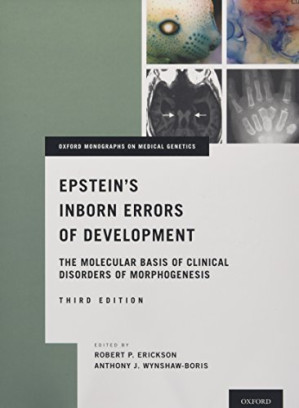
Congenital malformations are not random accidents of nature; they are precise, devastating errors in the genetic software that controls embryogenesis. Understanding how a single gene mutation leads to complex syndromes like cleft lip, congenital heart defects, or limb agenesis requires a profound grasp of developmental biology. Epstein’s Inborn Errors of Development: The Molecular Basis of Clinical Disorders of Morphogenesis (3rd Edition) is the definitive, fiercely advanced genetics text dedicated to unraveling these embryological failures. This massive volume provides the exact blueprints required by clinical geneticists to connect the patient’s dysmorphic features directly to their molecular origin.
Mastering the Signaling Pathways
The core philosophy of this text is molecular morphogenesis. The authors aggressively detail the master regulatory genes (like Hox genes, Sonic Hedgehog, and Wnt pathways), dictating exactly how these signaling cascades coordinate cellular migration, proliferation, and apoptosis during fetal development. It provides the crucial framework for understanding how a disruption in Sonic Hedgehog signaling leads directly to holoprosencephaly (failure of the forebrain to divide).
Navigating Syndromology and Genetic Counseling
The book provides a masterclass in clinical translation. It dictates the exact pathways for diagnosing complex pleiotropic syndromes (where one mutation affects multiple, seemingly unrelated organ systems). It provides exhaustive, heavily documented reviews of the genetic basis for craniosynostosis syndromes (like Apert and Crouzon), empowering genetic counselors to provide accurate recurrence risks to devastated parents.
Frequently Asked Questions (FAQs)
Does this book cover epigenetic factors?
Yes, it features critical chapters on how environmental teratogens and epigenetic modifications (like DNA methylation) can disrupt these delicate signaling pathways without altering the underlying DNA sequence.
Who is the primary audience?
It is the absolute, mandatory reference for Clinical Geneticists, Pediatricians, Developmental Biologists, and Maternal-Fetal Medicine Specialists.