Optimizing Radiology: Evidence-Based Imaging in Pediatrics
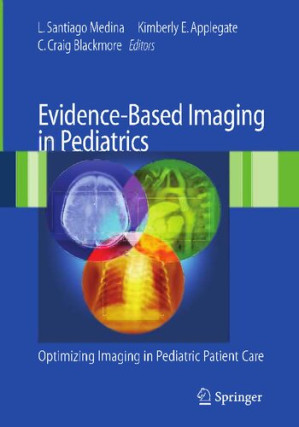
Diagnostic imaging has revolutionized pediatric medicine, but it carries profound risks. The pediatric body is exquisitely sensitive to ionizing radiation, and inappropriate use of CT scans significantly increases a child’s lifetime risk of fatal malignancies. Furthermore, unnecessary imaging leads to false positives, parental anxiety, and wasted resources. Evidence-Based Imaging in Pediatrics: Improving the Quality of Imaging in Patient Care is the definitive, fiercely analytical guide designed to combat these issues. This volume provides the exact, data-driven algorithms required by clinicians to order the *right* test, at the *right* time, or to confidently order no test at all.
Mastering the Judicious Use of Diagnostic Imaging in Children
The core philosophy of this text is that every imaging request must be justified by rigorous clinical evidence. The authors aggressively challenge the “defensive medicine” approach of over-scanning. They dictate exactly when a clinical diagnosis is sufficient (e.g., uncomplicated bronchiolitis) and explicitly detail the scenarios where imaging adds zero value to the clinical management of a pediatric patient.
Navigating Modality Selection to Minimize Radiation Exposure
The book provides a masterclass in the ALARA principle (As Low As Reasonably Achievable). It dictates the exact algorithms for substituting high-radiation modalities with safer alternatives. It provides exhaustive guidelines on when ultrasound can replace CT for suspected appendicitis, when rapid-sequence MRI is superior for evaluating pediatric head trauma, and how to utilize fluoroscopy with absolute minimal exposure times.
Managing High-Yield Imaging Protocols for Common Pediatric Conditions
This is a fiercely practical guide to diagnostic pathways. The authors provide rigid, evidence-based flowcharts for evaluating common, high-stakes presentations. The text dictates the optimal imaging sequence for the child with a febrile UTI (to detect vesicoureteral reflux without excessive radiation), the limping child (differentiating transient synovitis from osteomyelitis), and the infant with suspected non-accidental trauma.
Integrating ALARA Principles with Diagnostic Accuracy
The final value of this reference is its empowerment of the clinician. The text does not simply tell the physician to “scan less”; it dictates *why* scanning less is often medically superior. It ensures the referring pediatrician and the radiologist are speaking the same evidence-based language, fostering a collaborative environment that prioritizes patient safety above all else.
Frequently Asked Questions (FAQs)
Does this book cover imaging guidelines for pediatric oncology?
Yes, it features critical sections on the appropriate use of PET-CT and whole-body MRI in the staging and surveillance of pediatric malignancies, balancing the need for accuracy with the profound risks of cumulative radiation.
Are there specific guidelines for imaging in the pediatric emergency department?
Absolutely. It provides explicit protocols for managing blunt abdominal trauma and minor head injuries (utilizing criteria like the PECARN rules), dictating exactly when a CT scan is mandatory and when observation is the standard of care.
Who is the primary audience?
It is the absolute, mandatory reference for General Pediatricians, Pediatric Emergency Physicians, Pediatric Radiologists, and Radiology Technologists.
Conclusion
Evidence-Based Imaging in Pediatrics proves that the most powerful diagnostic tool is often the decision to withhold an inappropriate test. It is the indispensable bedrock of safe, modern pediatric radiology. By mastering the ALARA principles, the evidence-based diagnostic pathways, and the modality substitution strategies detailed in this vital volume, clinicians can protect their patients from the invisible harm of unnecessary radiation.