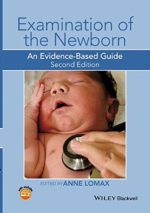

The First Assessment: Examination of the Newborn: An Evidence-Based Guide
The initial physical examination of a newborn is far more than a routine check; it is a critical screening event designed to identify life-threatening congenital anomalies and subtle markers of underlying disease before the infant is discharged. Performing this assessment accurately requires a highly trained eye capable of distinguishing benign neonatal phenomena from true pathology. Examination of the Newborn: An Evidence-Based Guide (2nd Edition) is the definitive, fiercely practical manual designed to standardise this vital process. This volume provides the exact, evidence-based protocols required by clinicians to confidently clear a neonate for home or immediately escalate care.
Mastering the Comprehensive Neonatal Physical Examination
The core philosophy of this text is systematic thoroughness. The authors aggressively detail a structured, head-to-toe approach. They dictate exactly how to evaluate the neonate’s tone, color, and respiratory effort within the first hours of life, establishing the rigorous baseline necessary to identify subsequent deterioration.
Navigating Normal Variants vs. Pathological Findings
The book provides a masterclass in visual diagnosis. It dictates the exact differences between harmless physiological findings—such as erythema toxicum, mongolian spots, and positional molding of the skull—and the critical “red flags” that mandate investigation. It ensures the clinician does not cause unnecessary parental anxiety over normal variants, while remaining hyper-vigilant for signs of syndromic facies or occult spinal lesions.
Managing the Screening for Congenital Heart Disease and Hip Dysplasia
This is a fiercely practical guide to high-stakes screening. The authors provide rigid, evidence-based guidelines for performing the newborn cardiovascular exam, including the mandatory use of pulse oximetry screening to detect critical congenital heart disease (CCHD) before ductal closure. The text dictates the exact physical maneuvers (Barlow and Ortolani tests) required to accurately screen for developmental dysplasia of the hip (DDH), a condition where early detection prevents lifelong disability.
Integrating Evidence-Based Guidelines with Clinical Observation
The final value of this reference is its commitment to current standards. The text dictates that the examination must be driven by data, not just tradition. It incorporates the latest national screening committee guidelines (e.g., NIPE in the UK), ensuring the practitioner is performing the exam to the highest medicolegal and clinical standard.
Frequently Asked Questions (FAQs)
Does this guide cover the examination of the premature infant?
Yes, it features critical sections on adapting the physical examination for the preterm neonate, dictating the specific neurobehavioral assessments (like the Ballard score) used to accurately estimate gestational age.
Are there specific guidelines for examining the neonatal eyes?
Absolutely. It provides explicit protocols for eliciting the red reflex, dictating the urgency of identifying an absent or white reflex (leukocoria) to rule out congenital cataracts or retinoblastoma.
Who is the primary audience?
It is the absolute, mandatory handbook for Midwives, Neonatal Nurse Practitioners, Junior Pediatricians, and General Practitioners.
Conclusion
Examination of the Newborn proves that the most important physical exam of a person’s life occurs within their first 72 hours. It is the indispensable bedrock of neonatal screening. By mastering the systematic approach, the differentiation of normal variants, and the critical screening maneuvers detailed in this vital volume, clinicians can ensure every infant receives a safe start to life.