

Beyond the Spit-Up: Gastroesophageal Reflux in Children
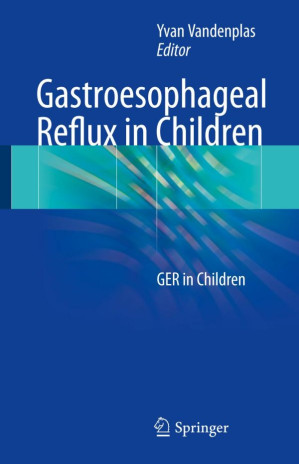
Gastroesophageal reflux is perhaps the most common, yet most frequently misunderstood, gastrointestinal issue in pediatric medicine. While “happy spitters” require only reassurance, pathological reflux can cause devastating failure to thrive, severe respiratory compromise, and long-term esophageal damage. Gastroesophageal Reflux in Children: GER in Children is the definitive, fiercely clinical manual dedicated to decoding this spectrum of disease. For pediatric gastroenterologists, primary care physicians, and pediatric surgeons, this volume provides the uncompromising blueprints required to diagnose complex GERD and implement targeted, evidence-based therapies.
Differentiating Physiological GER from Pathological GERD
The core philosophy of this text is that accurate diagnosis prevents unnecessary, often harmful, medicalization of normal infant behavior. The authors aggressively deconstruct the pathophysiology of the lower esophageal sphincter. They detail the exact clinical markers required to differentiate benign, physiological Gastroesophageal Reflux (GER) from pathological Gastroesophageal Reflux Disease (GERD), dictating when to reassure and when to aggressively intervene.
The Hidden Presentations: Apnea, Asthma, and Failure to Thrive
The book provides a masterclass in recognizing atypical GERD. It dictates the exact protocols for identifying reflux as the hidden culprit behind terrifying ALTEs (Apparent Life-Threatening Events) or chronic, refractory pediatric asthma. It details precisely how silent aspiration from severe GERD physically damages the pediatric airway, demanding a high index of suspicion from clinicians evaluating chronic respiratory symptoms.
Diagnostic Algorithms: pH Impedance and Endoscopy
This is a fiercely practical guide to advanced GI diagnostics. The authors provide exhaustive details on moving beyond the clinical history. The text dictates the exact indications and interpretation protocols for 24-hour multichannel intraluminal impedance-pH (MII-pH) monitoring. Furthermore, it outlines exactly when an upper endoscopy is mandatory to rule out eosinophilic esophagitis (EoE) or identify Barrett’s esophagus.
Pharmacological Management vs. Surgical Fundoplication
The final value of this reference is its absolute focus on evidence-based intervention. The text dictates the exact, rigid prescribing guidelines for Proton Pump Inhibitors (PPIs), aggressively challenging their widespread overuse in infants. Conversely, it provides the precise surgical criteria for referring a child for a Nissen fundoplication when maximal medical therapy fails or severe neurological impairment exists.
Frequently Asked Questions (FAQs)
Does this book cover dietary management of infant reflux?
Yes, it features critical sections on implementing cow’s milk protein elimination diets, utilizing thickened feeds, and positioning strategies as the mandatory first-line therapy before initiating medications.
Are neurological causes of GERD discussed?
Absolutely. The text provides specialized algorithms for managing severe, refractory GERD in children with cerebral palsy and profound neurodevelopmental disabilities.
Who is the primary audience?
It is the absolute, undisputed, mandatory clinical reference for Pediatric Gastroenterologists, Pediatricians, Family Practice Physicians, and Pediatric Surgeons.
Conclusion
Gastroesophageal Reflux in Children proves that managing pediatric GERD requires immense diagnostic precision and a profound understanding of esophageal physiology. It is the indispensable bedrock of the pediatric GI clinic. By mastering the diagnostic algorithms, the pharmacological guidelines, and the surgical indications detailed in this volume, clinicians ensure they are providing safe, effective relief to suffering infants and children.