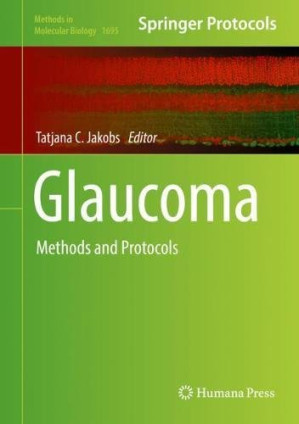

The Laboratory Vanguard: Glaucoma: Methods and Protocols
While clinicians lower eye pressure with drops and surgery, the true war against glaucoma is being fought in the laboratory, where researchers are attempting to understand exactly why the trabecular meshwork fails and the retinal ganglion cells die. Glaucoma: Methods and Protocols is a fiercely technical, highly advanced molecular manual detailing the vanguard of basic science research in this blinding disease. This volume provides the exact, step-by-step laboratory blueprints required to investigate the cellular mechanics of glaucoma.
Mastering Ocular Models
The core philosophy of this text is reproducible experimental design. The authors aggressively detail the creation of animal models. It dictates exactly how to surgically induce elevated intraocular pressure in a rodent model (e.g., using laser photocoagulation of the limbal vessels or injecting microbeads into the anterior chamber), providing the specific protocols necessary to test neuroprotective drugs in vivo.
Navigating Cellular Assays
The book provides a masterclass in advanced laboratory techniques. It dictates the exact biochemical pathways for measuring cell death. It rigorously covers the protocols for isolating and culturing human trabecular meshwork cells, detailing how to subject them to mechanical stretch and oxidative stress in vitro to observe the molecular cascade that leads to cellular failure.
Frequently Asked Questions (FAQs)
Is this a clinical manual teaching doctors how to treat patients with glaucoma?
Absolutely not. This is an advanced *basic science and laboratory research* manual detailing experimental protocols.
Who is the primary audience?
It is the absolute, mandatory definitive reference for Vision Scientists, Pharmacologists, Neurobiologists, and Academic Researchers studying glaucoma.