The Glaucoma Key: Gonioscopy
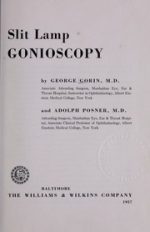
Diagnosing and classifying glaucoma is impossible without looking at the exact anatomical junction where the fluid (aqueous humor) drains out of the eye—the anterior chamber angle. Because of total internal reflection, this angle is completely invisible to the naked eye. Gonioscopy is a fiercely specialized, heavily illustrated masterclass in the use of mirrored lenses designed specifically to break this optical barrier. This volume provides the exact blueprints required to visualize the hidden drainage system of the eye.
Mastering the Angle Structures
The core philosophy of this text is absolute spatial orientation. The authors aggressively detail the microscopic landmarks of the angle. It dictates exactly how to identify Schwalbe’s line, the trabecular meshwork, the scleral spur, and the ciliary body band, ensuring the clinician can definitively determine if the angle is dangerously narrow (risking an acute closure attack) or widely open.
Navigating the Specialized Lenses
The book provides a masterclass in optical technique. It dictates the exact physical pathways for manipulating the gonioscope. It rigorously covers the difference between indirect gonioscopy (using a Goldmann or Zeiss mirrored lens at the slit lamp) and direct gonioscopy (used in the operating room during glaucoma surgery), providing the specific physical maneuvers required to overcome a steep iris approach.
Frequently Asked Questions (FAQs)
Is this a general book on all eye diseases?
No, its absolute, exclusive focus is on *Gonioscopy*—the specific diagnostic technique used to evaluate the anterior chamber angle, primarily for glaucoma management.
Who is the primary audience?
It is the absolute, mandatory skill-building guide for Ophthalmology Residents, Optometrists, and Glaucoma Specialists.