
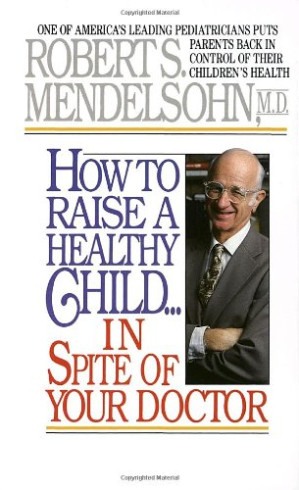



Rethinking Medical Intervention: How to Raise a Healthy Child in Spite of Your Doctor
Modern pediatric medicine frequently defaults to aggressive pharmacological intervention for benign, self-limiting childhood illnesses, exposing children to unnecessary side effects and disrupting natural immune development. How to Raise a Healthy Child in Spite of Your Doctor is a fiercely analytical, paradigm-shifting manual that challenges the prevailing culture of overmedicalization. This provocative volume provides the exact blueprints required to differentiate between standard physiological processes that require observation and true pathological emergencies that demand allopathic intervention.
Deconstructing the Overmedicalization of Normal Childhood
The core philosophy of this text is physiological trust. The author aggressively deconstructs the routine suppression of fever, arguing that antipyretics frequently prolong viral illnesses by disarming the body’s primary defense mechanism. The text details exactly how the indiscriminate use of antibiotics for viral upper respiratory infections (URIs) and otitis media not only fails to cure the patient but actively creates catastrophic antibiotic resistance and destroys the pediatric microbiome.
Navigating Natural Immunity and Managing Acute Viral Illnesses
The book provides a masterclass in conservative management. It dictates the exact, rigid protocols for safely managing acute febrile illnesses, viral gastroenteritis, and childhood exanthems without resorting to immediate pharmacological suppression. It details precisely how to monitor hydration status and neurological baseline, ensuring parents and alternative practitioners know exactly when conservative measures must be abandoned for emergency medical care.
Managing Dietary Interventions and Environmental Toxins
This is a fiercely practical guide to foundational health. The authors provide exhaustive details on the role of nutrition in modulating immune function. The text dictates exactly how highly processed diets, excessive sugar intake, and exposure to environmental toxins (like heavy metals and endocrine-disrupting chemicals) act as the primary drivers of chronic pediatric conditions, including severe asthma, atopic dermatitis, and systemic inflammation.
Integrating Evidence-Based Alternative Therapies with Allopathic Triage
The final value of this reference is its balanced approach to intervention. The text provides the exact frameworks for integrating targeted nutritional supplementation, botanical medicine, and lifestyle modifications to support the child’s natural healing capacity. However, it is uncompromising in detailing the specific red flags—such as signs of meningeal irritation or severe respiratory distress—that mandate immediate, aggressive conventional medical treatment.
Frequently Asked Questions (FAQs)
Does this book advocate ignoring medical advice entirely?
No. It provides a highly structured triage system, teaching readers how to critically evaluate medical recommendations and recognize the precise clinical scenarios where conventional medicine is absolutely necessary and life-saving.
Is the text based on scientific principles?
Absolutely. It relies heavily on the physiological understanding of immunology and the microbiome, challenging conventional practices that are based on habit rather than peer-reviewed evidence.
Who is the primary audience?
It is the absolute, undisputed, mandatory foundational text for Integrative Pediatricians, Naturopathic Physicians, and highly informed parents seeking a conservative, evidence-based approach to child health.
Conclusion
How to Raise a Healthy Child in Spite of Your Doctor proves that true health is not achieved through constant pharmacological suppression, but through supporting the body’s innate physiological resilience. It is the indispensable bedrock of integrative pediatrics. By mastering the conservative management protocols, the nutritional strategies, and the critical triage algorithms detailed in this volume, readers ensure they are fostering robust, lifelong health for children.


