

Deciphering the Acute Abdomen: Imaging Non-traumatic Abdominal Emergencies
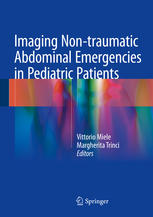
The pediatric acute abdomen is one of the most high-stakes, time-sensitive diagnostic challenges in medicine. Children often present with vague symptoms, cannot articulate their pain, and are highly vulnerable to the ionizing radiation of repeated scans. Imaging Non-traumatic Abdominal Emergencies in Pediatric Patients is the definitive, fiercely technical atlas and textbook dedicated to the rapid, accurate radiologic diagnosis of pediatric abdominal catastrophes. This volume provides the exact blueprints required to select the right modality, interpret subtle imaging signs, and avoid catastrophic misdiagnoses.
Mastering Pediatric Abdominal Radiology
The core philosophy of this text is the aggressive pursuit of ALARA (As Low As Reasonably Achievable) principles without compromising diagnostic accuracy. The authors aggressively deconstruct the decision-making process for imaging the pediatric abdomen. They detail exactly when to rely on Ultrasound as the primary modality, when CT is absolutely necessary, and how to rapidly optimize MRI protocols for emergency pediatric presentations.
Navigating Ultrasound, CT, and MRI Protocols for Children
The book provides a masterclass in modality optimization. It dictates the precise transducer selection and scanning techniques required to visualize the appendix, the pylorus, and the bowel wall in infants and children. It provides exhaustive details on pediatric-specific CT dosing (kVp and mAs adjustments based on patient size) and the use of rapid-sequence MRI to evaluate complex inflammatory bowel disease or appendicitis without radiation.
Managing Appendicitis, Intussusception, and Malrotation
This is a fiercely practical guide to the “Big Three” pediatric emergencies. The authors provide rigid diagnostic criteria for identifying acute appendicitis (including the treacherous perforated appendix with abscess). The text dictates exactly how to diagnose and monitor the pneumatic reduction of intussusception, and how to rapidly identify the subtle, life-threatening signs of malrotation with midgut volvulus on an upper GI series or ultrasound.
Integrating Clinical Findings with Imaging Findings
The final value of this reference is its clinical contextualization. The text provides the exact frameworks for correlating radiologic signs with surgical necessity. It dictates how the radiologist must communicate urgent findings to the pediatric surgeon or emergency physician, ensuring that imaging directly translates into rapid, life-saving surgical or medical intervention.
Frequently Asked Questions (FAQs)
Does this book cover neonatal abdominal emergencies?
Yes, it features highly specialized sections on evaluating necrotizing enterocolitis (NEC), intestinal atresias, and Hirschsprung’s disease in the fragile neonatal population.
Are gynecological emergencies in adolescent females included?
Absolutely. It provides critical protocols for utilizing ultrasound and MRI to evaluate ovarian torsion, ruptured cysts, and pelvic inflammatory disease (PID).
Who is the primary audience?
It is the absolute, mandatory diagnostic manual for Pediatric Radiologists, General Radiologists who read pediatric studies, Pediatric Emergency Medicine Physicians, and Pediatric Surgeons.
Conclusion
Imaging Non-traumatic Abdominal Emergencies proves that diagnosing the pediatric acute abdomen requires an uncompromising command of modality physics, precise radiologic interpretation, and deep clinical correlation. It is the indispensable bedrock of pediatric emergency radiology. By mastering the ultrasound techniques, the CT dosing protocols, and the diagnostic criteria detailed in this exceptional volume, radiologists ensure swift, accurate diagnoses that save children’s lives.