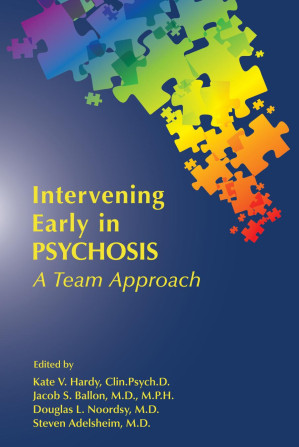

Clinical case examples then illustrate the application of a range of evidence-based interventions, from the psychological and psychosocial – including cognitive-behavioral therapy for psychosis and supported employment and education – to peer, family, lifestyle, and technological interventions. All of these interventions are examined in individual detail, but it is the effectiveness of the interplay between them that the authors of Intervening Early in Psychosis emphasize. The collaboration of multidisciplinary stakeholders, including licensed therapists, medical providers, employment and education specialists, and peer specialists, is central to the success of the multimodal care model outlined in the guide and is examined at length.
This interdisciplinary approach is underpinned by recovery-oriented language that focuses on healing and recovery rather than disability and illness management. The book also provides an individual and family perspective on the lived experience of psychosis that underscores the importance of engaging clients and their support network in a philosophy of shared decision making.
With additional chapters that discuss advocacy issues and policy considerations when establishing CSC services and the importance of reducing the duration of untreated psychosis to optimize clinical and functional outcomes, this is the most comprehensive resource for clinicians, case workers, peer and vocational specialists, family members, and anyone else interested in expanding their knowledge of the early identification and treatment of individuals with psychotic disorders.
[amazon asin=1615371753&template=iframe image]