
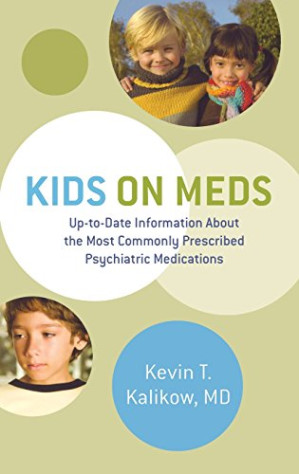


Clarity in Prescribing: Kids on Meds: Up-to-Date Information About the Most Commonly Prescribed Psychiatric Medications
The decision to start a child or adolescent on psychiatric medication is one of the most agonizing choices a parent can face. The landscape of pediatric psychopharmacology is complex, filled with confusing terminology, conflicting internet advice, and frightening “black box” warnings. Kids on Meds: Up-to-Date Information About the Most Commonly Prescribed Psychiatric Medications is the definitive, fiercely objective guide designed to cut through the noise. This volume provides the exact, scientifically accurate information required by parents and clinicians to make informed, collaborative decisions regarding the pharmacological treatment of pediatric mental health disorders.
Mastering the Pharmacokinetics of Pediatric Psychotropics
The core philosophy of this text is that children are not just small adults. The authors aggressively detail how a child’s developing brain and faster metabolism profoundly alter how psychiatric medications are processed. They dictate exactly why dosages, titration schedules, and the onset of action differ from adult prescribing, ensuring that parents understand the scientific rationale behind their child’s specific treatment plan.
Navigating the Treatment of ADHD, Anxiety, and Depression
The book provides a masterclass in the specific medications used for common pediatric disorders. It dictates the exact mechanisms of action, efficacy rates, and differences between stimulant and non-stimulant medications for ADHD. It provides exhaustive, unbiased information on the use of Selective Serotonin Reuptake Inhibitors (SSRIs) for pediatric anxiety and depression, outlining realistic expectations for symptom improvement.
Managing Side Effects and Black Box Warnings
This is a fiercely transparent guide to the risks of medication. The authors do not shy away from controversy; they provide rigid, factual analysis of FDA “black box” warnings, particularly regarding the risk of increased suicidal ideation associated with antidepressants in youth. The text dictates exactly what physical and emotional side effects parents must monitor (e.g., appetite suppression, sleep disturbances, mood lability) and when to immediately contact the prescribing physician.
Integrating Medication with Behavioral Therapies
The final value of this reference is its insistence on comprehensive care. The text dictates that medication is rarely a standalone cure. It ensures that parents and clinicians understand the critical importance of integrating psychopharmacology with evidence-based behavioral interventions (like CBT) to achieve the most robust and sustainable improvements in the child’s functioning.
Frequently Asked Questions (FAQs)
Does this book cover antipsychotics and mood stabilizers?
Yes, it features critical, highly detailed sections on the use of atypical antipsychotics (often prescribed off-label for aggression or severe mood dysregulation) and dictating the necessary metabolic monitoring required when using these powerful agents.
Are there specific guidelines for safely tapering off medications?
Absolutely. It provides explicit protocols explaining the dangers of abrupt discontinuation and detailing how a physician will slowly taper a medication to minimize severe withdrawal symptoms.
Who is the primary audience?
It is the absolute, mandatory resource for Parents of children with mental health diagnoses, as well as Pediatricians, Teachers, and Therapists seeking to understand their clients’ medical regimens.
Conclusion
Kids on Meds proves that the fear surrounding pediatric psychopharmacology can be neutralized by rigorous, objective education. It is the indispensable bedrock of informed consent. By mastering the mechanisms of action, the side effect profiles, and the risk-benefit analyses detailed in this vital volume, parents and clinicians can navigate the complex world of psychiatric medication with uncompromising clarity and confidence.


