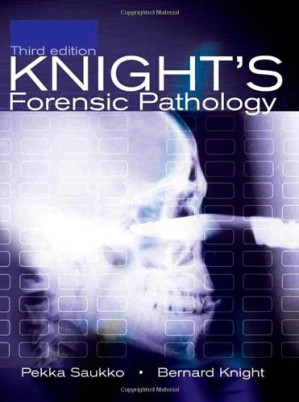
The Investigator’s Bible: Knight’s Forensic Pathology
When a body is discovered under suspicious circumstances, the autopsy is not merely a medical procedure; it is a crime scene investigation conducted on the human form. The pathologist must translate physical trauma into a legal narrative. Knight’s Forensic Pathology is the legendary, globally recognized cornerstone text of medicolegal death investigation. This monumental volume provides the exact, exhaustively detailed blueprints required by medical examiners to determine the cause, manner, and mechanism of death, and to defend those findings under cross-examination in a court of law.
Mastering Traumatic and Asphyxial Death
The core philosophy of this text is the rigorous application of physics and physiology to anatomical injury. The authors aggressively detail the biomechanics of blunt and sharp force trauma. It dictates exactly how to differentiate the hesitation marks of a suicide from the defensive wounds of a homicide. It provides the crucial, highly nuanced clinical pathways for diagnosing asphyxia, detailing the subtle physical differences between hanging, manual strangulation, and smothering.
Navigating Sudden Death and Postmortem Changes
The book provides a masterclass in the autopsy room. It dictates the exact protocols for determining the postmortem interval (PMI) using algor, livor, and rigor mortis. It provides exhaustive reviews of sudden natural death—particularly the silent, catastrophic cardiovascular events (like sudden cardiac death from an undiagnosed channelopathy) that frequently mimic foul play to the untrained eye.
Frequently Asked Questions (FAQs)
Does this book cover forensic toxicology?
Yes, it features critical chapters detailing how to interpret postmortem toxicology reports, addressing the complex phenomenon of postmortem drug redistribution, which can drastically alter blood drug concentrations after death.
Who is the primary audience?
It is the absolute, mandatory foundational reference for Forensic Pathologists, Medical Examiners, Coroners, and Homicide Detectives.