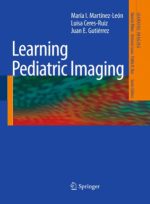
Visual Mastery: Learning Pediatric Imaging: 100 Essential Cases
Pediatric radiology is a distinct subspecialty, fraught with unique pathologies and driven by the biological imperative to minimize ionizing radiation. For residents beginning their training, or for pediatricians who must make immediate decisions based on preliminary reads, mastering these images is a high-stakes necessity. Learning Pediatric Imaging: 100 Essential Cases is the definitive, fiercely efficient primer designed to build rapid visual competence. This volume provides the exact, high-yield radiological cases required to build a rock-solid foundation in pediatric image interpretation.
Mastering the Fundamentals of Pediatric Radiology
The core philosophy of this text is that foundational knowledge is built through repetition of classic presentations. The authors aggressively select the 100 “must-know” cases that define pediatric imaging. They dictate exactly how to approach a pediatric film, emphasizing the profound differences between the developing skeleton (with its complex ossification centers) and the mature adult bone.
Navigating Crucial Diagnoses Across All Modalities
The book provides a masterclass in modality-specific pathology. It dictates the exact radiological appearances of common emergencies: the “double bubble” of duodenal atresia on an abdominal X-ray, the ultrasound appearance of hypertrophic pyloric stenosis, and the MRI findings in pediatric brain tumors. It ensures the reader can recognize pathology regardless of the imaging technology used.
Managing the Nuances of the Growing Skeleton and Brain
This is a fiercely practical guide to avoiding common pitfalls. The authors provide rigid visual criteria for distinguishing normal developmental variants from true disease. The text dictates exactly how to evaluate pediatric trauma, focusing heavily on identifying the pathognomonic signs of non-accidental injury (e.g., metaphyseal corner fractures), where a missed diagnosis can have fatal consequences.
Integrating Radiological Findings with Clinical Care
The final value of this reference is its clinical relevance. The text dictates that an image is only as valuable as the clinical decision it drives. Each case provides the essential clinical history, the differential diagnosis, and the critical management steps that follow the radiological diagnosis, ensuring the radiologist remains deeply connected to patient care.
Frequently Asked Questions (FAQs)
Does this book cover pediatric fluoroscopy?
Yes, it features critical cases demonstrating upper gastrointestinal series (UGI) for evaluating malrotation and voiding cystourethrograms (VCUG) for diagnosing vesicoureteral reflux.
Are there specific guidelines for minimizing radiation exposure (ALARA)?
Absolutely. It provides explicit protocols and discussions on the ALARA (As Low As Reasonably Achievable) principle, dictating when ultrasound or MRI must replace CT scans in pediatric patients.
Who is the primary audience?
It is the absolute, mandatory primer for Radiology Residents, Pediatric Residents, and Medical Students rotating through pediatric radiology.
Conclusion
Learning Pediatric Imaging: 100 Essential Cases proves that radiological mastery begins with recognizing the classics. It is the indispensable bedrock of pediatric imaging education. By mastering the essential pathologies, understanding the developmental nuances, and applying the ALARA principles detailed in this vital volume, clinicians can make accurate diagnoses while protecting their young patients.