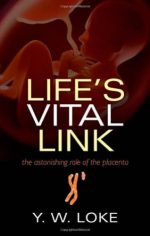
The Parasitic Organ: Life’s Vital Link: The Astonishing Role of the Placenta
The placenta is not merely a filter; it is a highly aggressive, genetically foreign organ that invades the mother’s uterus, chemically hacks her immune system to prevent rejection, and mathematically reroutes her cardiovascular system to feed the fetus. It acts simultaneously as the fetal lungs, liver, kidneys, and endocrine system. Life’s Vital Link: The Astonishing Role of the Placenta is the fiercely scientific, deeply biological master text detailing the absolute reality of this temporary, life-sustaining organ. This volume provides the precise physiological blueprints required to understand how placental success guarantees life, and how placental failure guarantees death.
Mastering the Trophoblastic Invasion
The core philosophy of this text is the mechanics of parasitic survival. The authors aggressively detail the initial implantation. It dictates exactly how the embryonic trophoblast cells literally digest their way into the maternal uterine lining, physically destroying and rebuilding the mother’s spiral arteries to establish a massive, low-resistance blood flow required to sustain human gestation.
Navigating the Placental Failure
The book provides a masterclass in catastrophic decompensation. It dictates the exact biological pathways of preeclampsia and fetal growth restriction. It rigorously explores what happens when the initial invasion fails, mathematically detailing how the resulting hypoxic (oxygen-starved) placenta releases toxic proteins into the mother’s bloodstream, triggering widespread maternal organ damage (preeclampsia) and starving the fetus.
Frequently Asked Questions (FAQs)
Is this a clinical manual detailing exactly how to perform a C-section?
No, it is a highly focused *reproductive biology, embryology, and maternal-fetal physiology textbook* designed to explain the fundamental biological mechanisms of the placenta.
Who is the primary audience?
It is an essential, foundational read for Maternal-Fetal Medicine Specialists, Reproductive Biologists, Obstetricians, and Midwives.