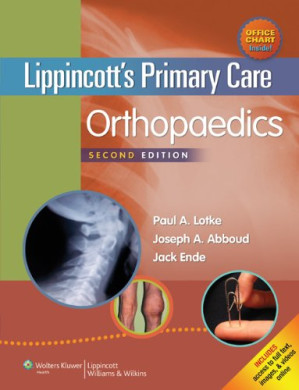


The Frontline Triage: Lippincott’s Primary Care Orthopaedics (2nd Edition)
Most musculoskeletal injuries are not initially seen by a highly specialized orthopedic surgeon; they present to the frontline—the primary care clinic, the urgent care center, or the emergency room. Mismanaging these initial presentations leads to catastrophic delays in care, malunions, and permanent disability. Lippincott’s Primary Care Orthopaedics (2nd Edition) is a fiercely pragmatic, brutally efficient manual designed explicitly for the non-orthopedic provider. This volume provides the exact blueprints required to confidently diagnose, initially manage, and correctly refer musculoskeletal pathology.
Mastering the Initial Assessment and Splinting
The core philosophy of this text is safe triage and stabilization. The authors aggressively detail the “red flag” symptoms that demand immediate surgical intervention (e.g., compartment syndrome, cauda equina syndrome). It dictates exactly how to perform high-yield physical exams for common complaints (shoulder pain, knee effusions) and provides rigorous, heavily illustrated instructions for applying the correct stabilizing splint (e.g., a sugar-tong splint for a distal radius fracture) before referral.
Navigating In-Office Procedures and Injections
The book provides a masterclass in outpatient management. It dictates the exact clinical pathways for performing safe, effective intra-articular corticosteroid injections (detailing the anatomical landmarks for the knee, shoulder, and trochanteric bursa). It explicitly covers the conservative management of common ailments like plantar fasciitis, carpal tunnel syndrome, and lateral epicondylitis (tennis elbow).
Frequently Asked Questions (FAQs)
Does this book teach me how to perform surgery?
No. It teaches you how to manage the patient *so they don’t need surgery*, or how to stabilize them safely until the surgeon arrives.
Who is the primary audience?
It is the absolute, mandatory desk reference for Family Medicine Physicians, Internal Medicine Providers, Nurse Practitioners (NPs), Physician Assistants (PAs), and Urgent Care Providers.