The Ultimate Clinical Collision: Managing Cancer during Pregnancy
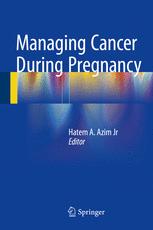
There is no more devastating or ethically complex scenario in modern medicine than diagnosing a pregnant woman with an aggressive malignancy. The physician must simultaneously manage two competing biological systems: a rapidly dividing tumor that will kill the mother, and a rapidly developing fetus that can be destroyed by the treatment. Managing Cancer during Pregnancy is the fiercely ethical, brutally scientific master text detailing exactly how to navigate this nightmare scenario. This volume provides the precise pharmacological and surgical blueprints required to treat the cancer without terminating the gestation.
Mastering the Pharmacological Tightrope
The core philosophy of this text is the mathematical calculation of placental transfer. The authors aggressively detail the mechanics of cytotoxic therapy. It dictates exactly how an oncologist can safely administer specific chemotherapy agents (like Adriamycin and Cyclophosphamide for breast cancer) during the second and third trimesters, mathematically proving that the placenta blocks enough of these specific molecules to protect the fetal organs from catastrophic malformation.
Navigating the Timing of Delivery
The book provides a masterclass in risk calculation. It dictates the exact clinical pathways for inducing labor. It rigorously explores the agonizing decision of when to intentionally trigger a premature birth, detailing exactly how to balance the neonatal risk of severe respiratory distress syndrome against the maternal risk of delaying a radical, life-saving cancer surgery.
Frequently Asked Questions (FAQs)
Is this a book about managing standard pregnancy complications like gestational diabetes?
Absolutely not. It is a strictly specialized *maternal-fetal medicine, medical oncology, and bioethics textbook* focused entirely on the intersection of pregnancy and malignant disease.
Who is the primary audience?
It is the absolute, mandatory definitive reference for Maternal-Fetal Medicine Specialists, Medical Oncologists, High-Risk Obstetricians, and Hospital Ethics Committees.